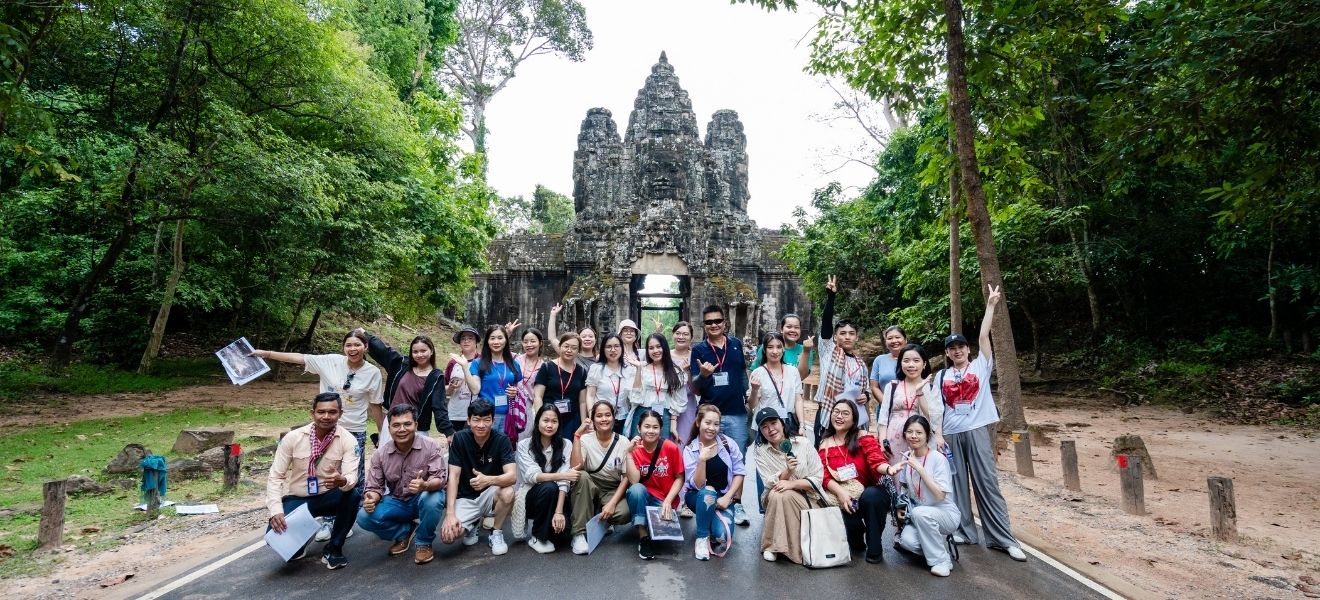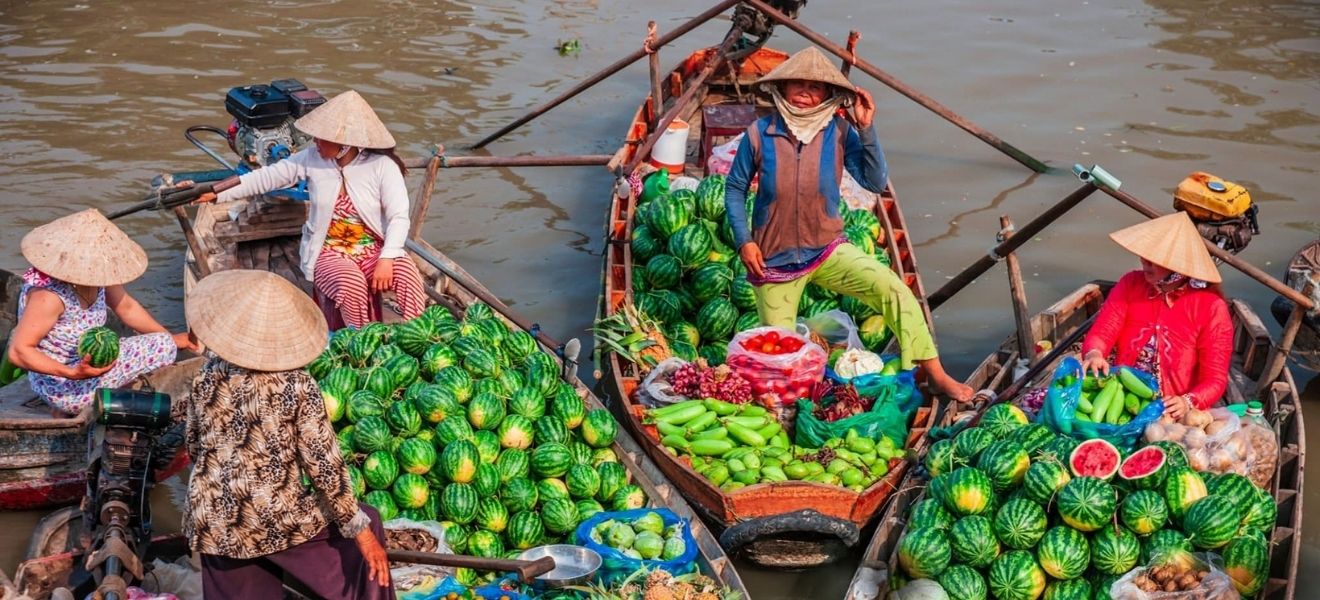




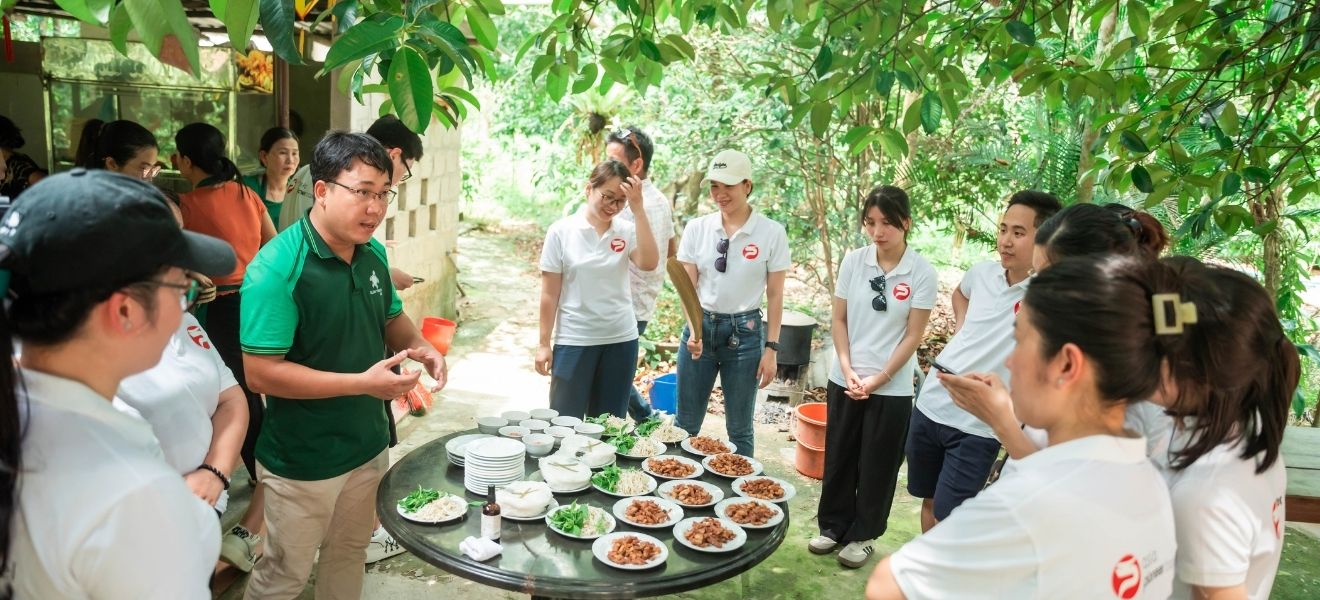


Professional Tour Guides play an important role in turning a well-designed itinerary into a meaningful travel experience. An itinerary can determine where travelers go, what they see, and how their journey unfolds. But once travelers arrive in Southeast Asia, it is the people on the ground who can fundamentally shape how that itinerary is experienced.
Travelers today can research destinations in detail before they arrive, from historical sites and cultural traditions to restaurants, local experiences, and practical travel advice. As a result, the role of a guide has evolved beyond simply providing information. Professional guides add context, share local perspectives, create connections, and help travelers understand a destination in ways that independent research cannot always provide.
Understanding the Changing Role of Professional Tour Guides
With access to more information than ever before, many travelers arrive at a destination already familiar with its major attractions. They may already know the history of a famous temple, have saved photographs of a particular neighborhood, or have watched videos showing exactly what a popular attraction looks like.
Guests do not necessarily need someone to repeat everything they could have read before their trip. What they often value more is the local perspective behind that information. Why does this tradition still matter today? How does a historical site connect with modern life? What should visitors notice that they might otherwise miss? What story sits behind a particular dish, neighborhood, craft, or ceremony? These are the moments where professional guiding becomes more than sightseeing.
A knowledgeable guide can provide the historical context, but an experienced guide also understands how much context is useful, when to introduce it, and how to make it relevant to the people standing in front of them. A family traveling with children may respond differently to a story than a couple with a strong interest in history. A first-time visitor may want a broader introduction to the destination, while a repeat traveler may be looking for details and experiences beyond the familiar highlights.
From Information to Stories Travelers Can Remember
One of the most important skills of professional tour guides is storytelling.
Facts are necessary. Historical dates, architectural details, cultural traditions, and practical information all help travelers understand a destination. But facts alone do not always create a memorable experience. Stories are often what give those facts context and make them easier to remember.
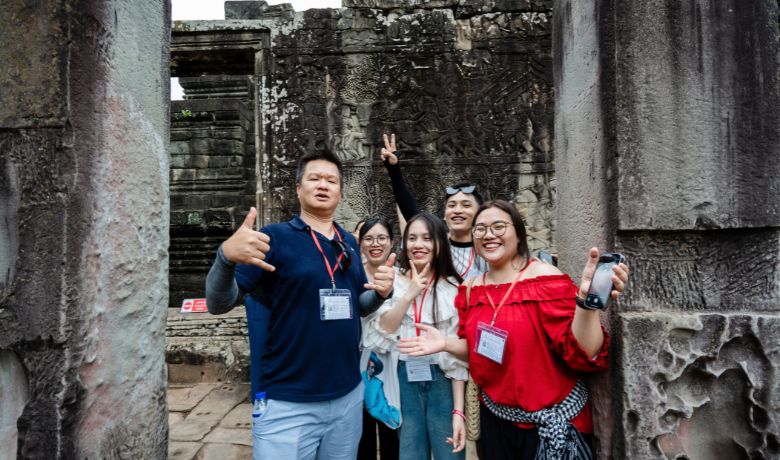
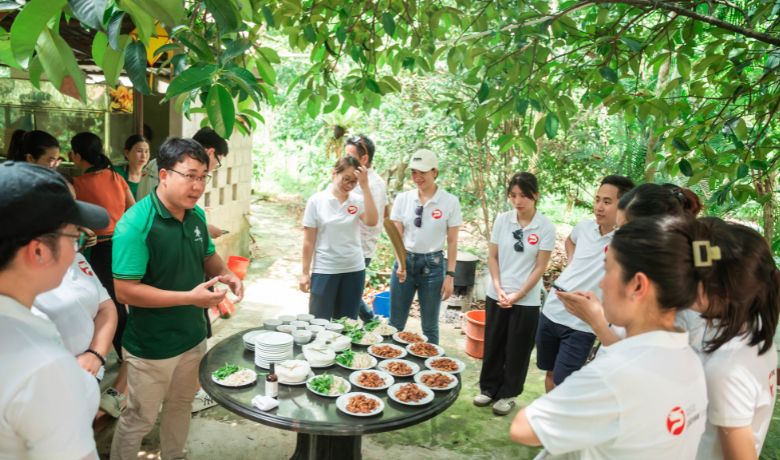
At a temple, for example, a guide can explain when it was built and describe its architectural features. They can also explain how the temple fits into the surrounding community, share a local story associated with the site, or point out details that reveal something about the people who created it.
At a local market, craft experience, or food experience, a guide can introduce the people behind what travelers are seeing and help turn local experiences into meaningful stories.
For international travelers, that local interpretation can be difficult to replicate through independent research. A destination may already be familiar through photographs and travel content, but the stories, observations, and conversations that happen in the moment are what can make the experience feel new.
A professional tour guide does not simply add more information to a journey. They help travelers understand why that information matters.
Understanding the Travelers Behind the Itinerary
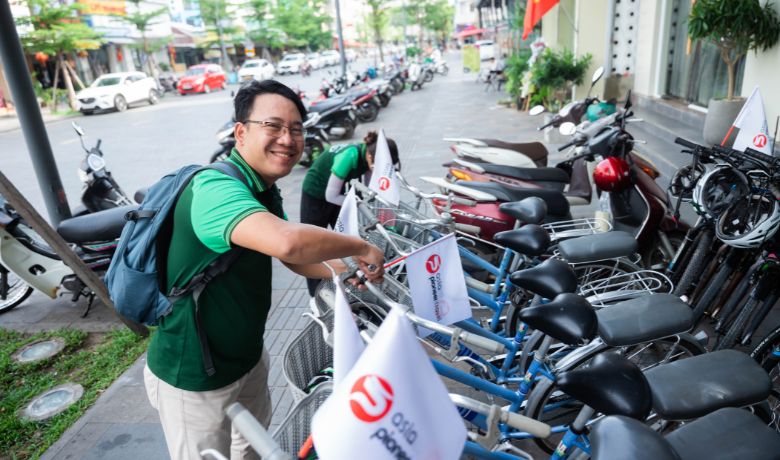
An itinerary is never experienced in exactly the same way by every traveler. Two couples can follow the same program and come away with completely different impressions: one may be fascinated by architecture and history, while the other is more interested in food and everyday life. A family may need a slower pace and more flexibility, while experienced travelers may prefer to spend less time at major attractions and more time exploring places that feel less familiar.
This is particularly important for DMCs working with private and tailor-made travel.
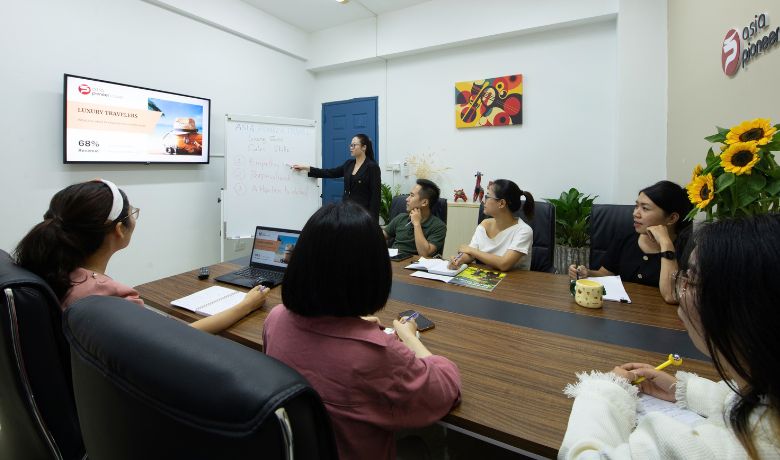
A detailed itinerary can be prepared months before departure, but the guide is the person who sees the travelers’ reactions in real time. They can recognize when guests are particularly interested in a subject, when they need a break, or when an opportunity arises to explore something that was not originally the main focus of the day. This does not mean changing an itinerary unnecessarily. Rather, it means understanding where there is room for flexibility and how to use it without losing the intention of the journey.
For travel advisors, this can be an important distinction. A tailor-made itinerary is not simply a collection of individually selected services. Its value also comes from how those elements are connected and delivered once travelers are on the ground.
This ability to adapt is an important part of what professional guiding brings to private and tailor-made travel.
The Small Details That Can Shape a Travel Experience
Some of the moments travelers remember most are not necessarily the activities that appear most prominently in an itinerary.
They may remember a conversation with an artisan, a recommendation from their guide, a quiet street they discovered away from a crowded attraction, or a local food they tried because someone explained its story.
These moments can be small, but they often give a journey its personality.
A professional tour guide may notice that a guest is interested in photography and suggest a different viewpoint, know that a particular market is quieter at a certain time of day, or recognize that travelers have already visited several temples and introduce a different side of the destination instead of adding another similar stop.
What these moments require is local knowledge, observation, and an understanding of the travelers’ interests.
This is one reason the quality of professional tour guides can have an impact far beyond the hours spent at a particular attraction. The guide is continuously interpreting the destination and making small decisions that influence how guests experience it.
For a DMC, these details are part of the difference between arranging a tour and delivering a travel experience.
When the Unexpected Becomes Part of the Journey
Travel does not always happen exactly as planned. For travel advisors working with private journeys, having professional tour guides who can respond confidently to these situations provides an additional layer of reassurance.
Weather can change. Traffic can affect timing. A popular attraction may be busier than expected. A restaurant may have an unexpected delay, or an activity may need to be adjusted because of local conditions.
These situations are simply part of operating travel in the real world. What matters is how they are handled. An experienced guide can communicate the situation clearly, manage expectations, suggest alternatives, and work with the local operations team to keep the journey moving. More importantly, they can help prevent a small disruption from becoming the defining memory of the day.
This is where local experience becomes particularly valuable.
Someone who understands the destination knows not only what the original plan was, but also what alternatives may be available when circumstances change. They may know another route, another time to visit, another nearby experience, or simply how to adjust the pace so travelers remain comfortable.
Flexibility is therefore not about abandoning the itinerary. It is about protecting the experience when reality requires a different approach.
Professional Tour Guides as the Local Face of a DMC
For travelers, the guide may simply be the person they meet at the hotel in the morning. For a DMC, however, that person represents much more.
They are one of the most visible points of contact between the traveler and the local team behind the journey.
A travel advisor may have spent considerable time understanding the client’s interests and building the right itinerary. The DMC may have coordinated hotels, transportation, restaurants, activities, and local suppliers. But when the traveler arrives at a destination, it is often the guide who brings those individual components together.
This makes guide selection an important part of operational quality. For Asia Pioneer DMC, guide selection is therefore treated as part of our service standard, rather than simply a final operational arrangement.
Professional tour guides need more than destination knowledge. They need strong communication skills, cultural awareness, adaptability, and the ability to work with different types of international travelers. They also need to understand the intention behind the experience they are delivering.
A guide who knows what an activity involves can explain it. A guide who understands why that activity was chosen for that particular traveler can deliver it in a much more meaningful way. That distinction becomes particularly important in tailor-made travel, where the experience is designed around the individual rather than around a fixed group program.
For a DMC, this means that the quality of the guide is closely connected to the quality of the experience being delivered. This connection is particularly important when designing Vietnam local tours, where local knowledge and interpretation can significantly shape how travelers experience a destination.
Matching the Right Guide to the Right Experience
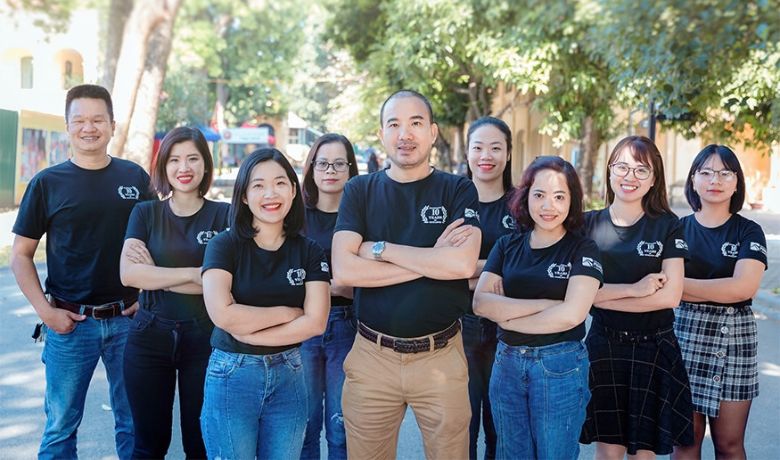
There is no single profile that defines the ideal guide for every journey. A family may benefit from a guide who is engaging, patient, and comfortable adjusting the pace, while a luxury couple may value a more discreet and polished approach. Active travelers may need someone who understands both the destination and the practical demands of their activities.
When travelers have already seen the major landmarks, the guide needs to help them discover a different side of the destination rather than simply repeating the standard sightseeing program. This may mean introducing a local neighborhood, a lesser-known cultural experience, a family-run business, or a different interpretation of a familiar attraction.
This is why selecting the right professional tour guides should be considered alongside itinerary and product design.
The right guide can reinforce the character of an experience, while a less suitable match may prevent even a well-designed product from reaching its full potential.
What Professional Guiding Means for Travel Advisors
For travel advisors and tour operators, the quality of a DMC becomes most visible once the traveler arrives.
A successful journey depends on many interconnected elements: accommodation, transportation, activities, restaurants, local suppliers, guides, timing, communication, and on-the-ground support.
This is where a DMC can become more than a supplier.
A strong local partner can help travel advisors understand how an experience will actually work on the ground, which professional tour guides may suit a particular client, how activities can be paced, and where flexibility may be needed when developing tailor-made Vietnam itineraries.
For travel advisors, this means greater visibility into how an itinerary will be delivered once travelers are on the ground. It also provides greater confidence that the people delivering the experience understand the itinerary, the client’s expectations, and the role each element plays within the wider journey.
From a Well-Planned Itinerary to a Meaningful Journey
For Asia Pioneer DMC, this approach is an important part of how we deliver destination services across Southeast Asia. Our role is not simply to arrange the individual components of a journey, but to help our travel partners create experiences that work in practice, from the initial itinerary design to the moment travelers return home.
A great itinerary provides the direction, while a strong local team helps bring it to life. The right guide connects the two, turning a carefully planned itinerary into a journey that travelers can genuinely remember.
At Asia Pioneer DMC, our local teams work closely with travel advisors and tour operators to coordinate tailor-made journeys across Southeast Asia, from itinerary planning and accommodation to professional tour guides, transportation, activities, and on-the-ground support.