



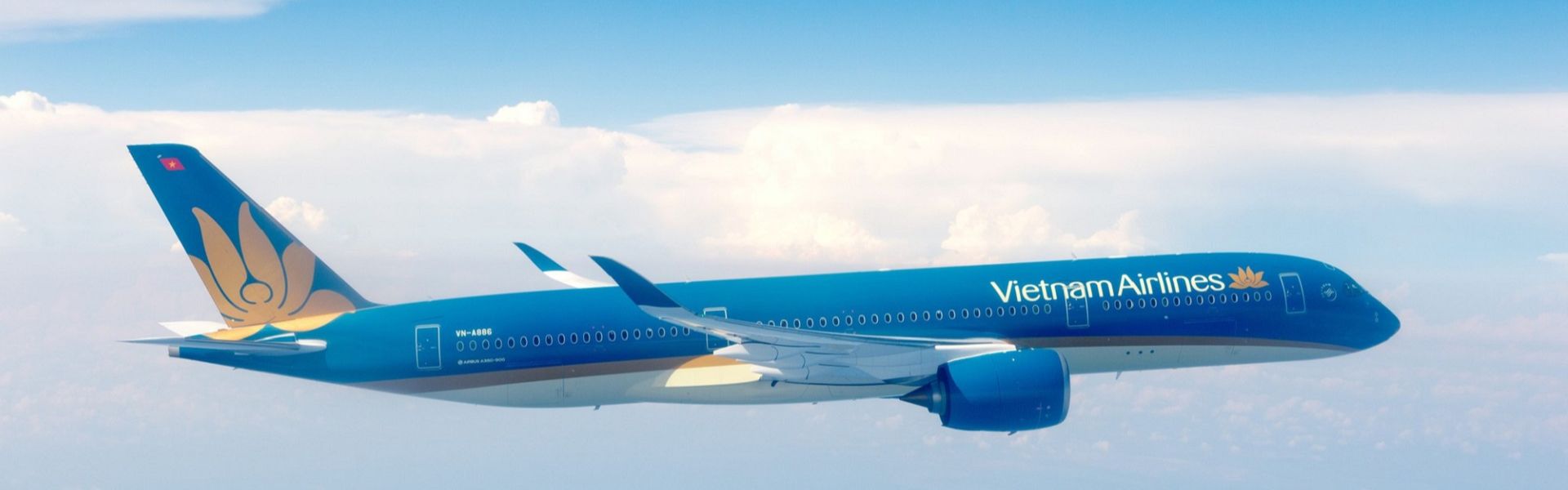


With more than 20 civilian airports and multiple carriers including Vietnam Airlines, VietJet Air, and Bamboo Airways, domestic flights in Vietnam have become a key part of traveling efficiently between regions, especially when time is limited.
This article walks you through how domestic flights work, what to prepare before departure, and how to avoid common travel mistakes, so you can plan with confidence. Now, read this blog to find clear, practical insights to help you fly smarter and travel more smoothly across Vietnam.
Overview of Domestic Aviation in Vietnam
Vietnam’s domestic aviation market has grown quickly over the past decade, shaped by rising tourism demand and improved airport infrastructure. Several airlines now operate across the country, each offering a different balance between price, comfort, and route availability.
Vietnam Airlines
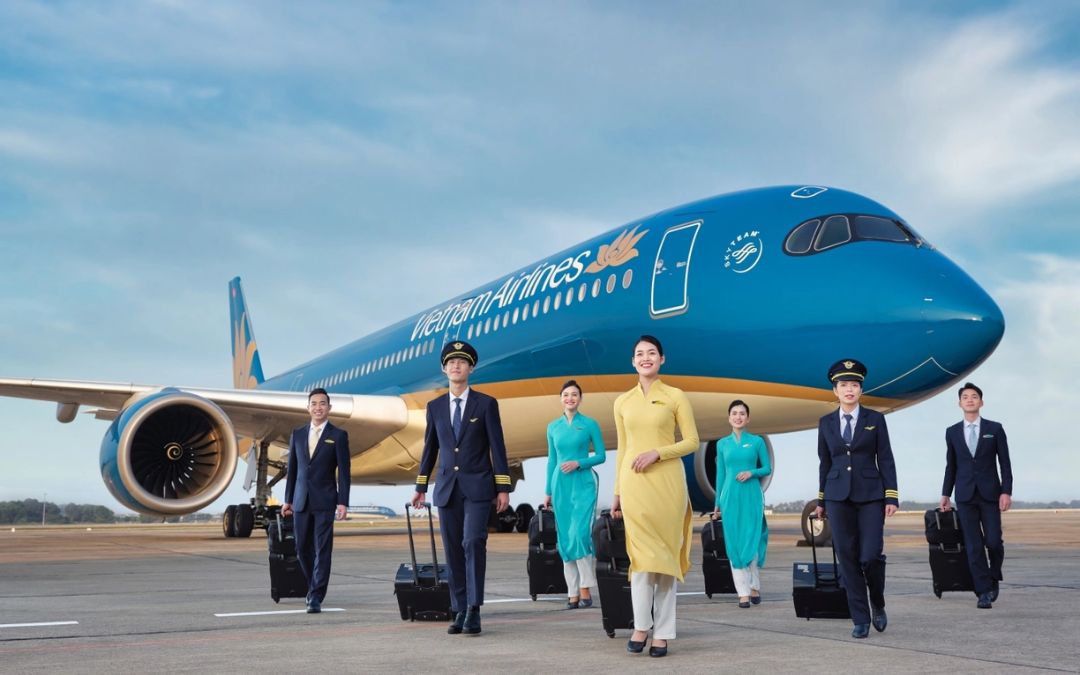
As the country’s national flag carrier, Vietnam Airlines is widely recognized for maintaining consistent service standards and operating one of the most extensive domestic networks. Domestic flights in Vietnam often depart from major hubs such as Hanoi, Ho Chi Minh City, and Da Nang, allowing easy connections to both business centers and resort destinations.
Passengers who prioritize reliability often lean toward this airline because schedules tend to run more consistently compared to budget carriers. Many domestic fare classes also include checked baggage, which reduces the need to purchase add-ons later. In addition, travelers typically notice a smoother onboard experience, especially on longer routes that connect northern and southern Vietnam.
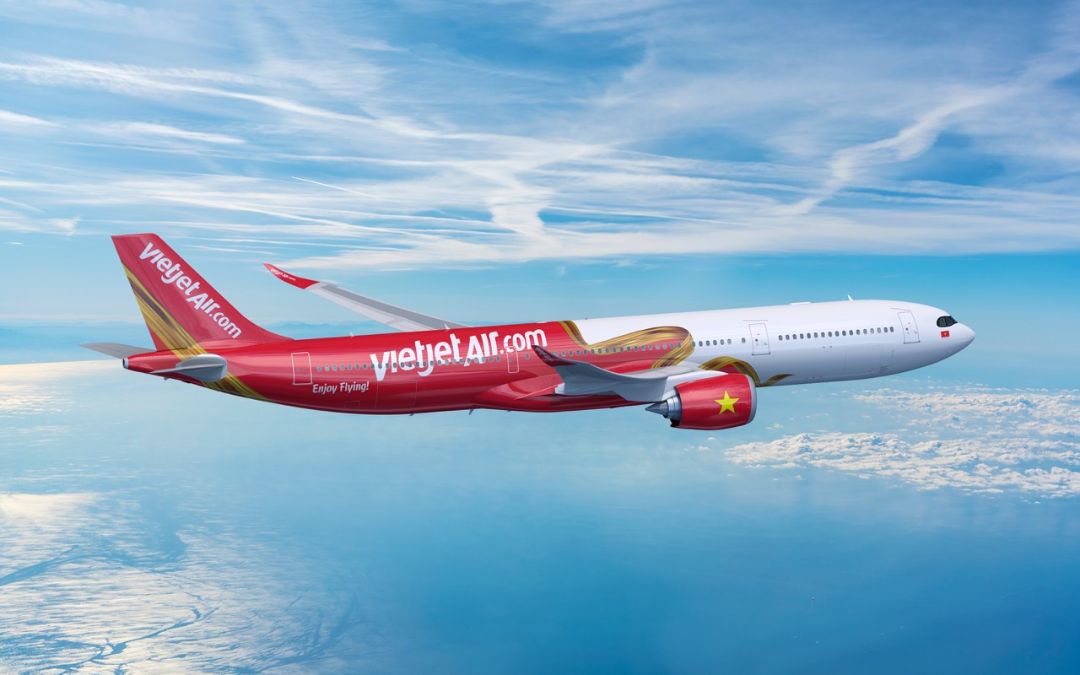
VietJet Air
VietJet Air has transformed domestic travel by making flying more accessible and affordable. The airline frequently launches promotional fares, which often attract budget-conscious travelers and younger tourists planning flexible itineraries.
Ticket prices for domestic flights in Vietnam usually start lower than competitors, however, most additional services are sold separately. This means passengers often need to purchase baggage allowance, seat selection, or onboard meals after booking. While flight delays may occasionally occur during peak travel periods, VietJet remains popular thanks to its extensive route coverage and frequent departures between major tourism cities.
Bamboo Airways
Bamboo Airways entered the market with the goal of bridging the gap between full-service and low-cost airlines. The carrier focuses on providing a more comfortable travel experience while still keeping fares competitive. Aircraft cabins often feature modern seating layouts, and service quality is designed to appeal to both leisure and business travelers.
The airline has also invested in routes connecting major cities with emerging resort destinations, which has made it increasingly popular among travelers heading to coastal or island locations. Although ticket prices often sit between full-service and budget carriers, passengers may find that added comfort and service upgrades justify the difference.

Vietravel Airlines and Emerging Carriers
Vietravel Airlines, launched by one of Vietnam’s leading travel companies, focuses primarily on supporting tourism routes. Flight schedules often align with seasonal travel demand, particularly routes connecting major urban centers to resort destinations. Although the airline operates a smaller fleet and offers fewer daily departures, it plays a valuable role in expanding travel options during peak holiday periods.

In addition to Vietravel Airlines, Vietnam’s aviation sector continues to evolve as new carriers and route expansions are occasionally introduced. This competitive landscape benefits travelers by increasing route choices while encouraging airlines to maintain attractive pricing and improved service standards.
>> Read More: How Long is A Tour In Vietnam? Top 3 Tour Packages for Your Perfect Trip
Most Popular Domestic Routes & Approximate Flight Times
According to aviation and travel data, these key corridors operate multiple daily departures, helping visitors reduce travel time significantly compared with road or rail journeys.
Hanoi ⇄ Ho Chi Minh City
Often considered the country’s most essential air connection, this north–south route links Vietnam’s political center with its largest economic hub. The flight typically lasts around 2 hours, covering more than 1,100 kilometers across the country. Because of its strategic importance for both tourism and business travel, the route ranks among the busiest domestic flight corridors globally, carrying millions of passengers annually.
Hanoi ⇄ Da Nang
Connecting northern heritage sites with central Vietnam’s coastline, this route usually takes about 1 hour and 15 minutes. The short travel time makes it one of the most practical options for visitors combining historic sightseeing in Hanoi with beach relaxation and cultural exploration in Da Nang and nearby Hoi An.
Ho Chi Minh City ⇄ Phu Quoc
Travelers heading toward tropical island landscapes often rely on this popular southern route. Flights between Ho Chi Minh City and Phu Quoc generally last around 1 hour, making it the fastest way to reach one of Vietnam’s most famous beach destinations.
Other Frequently Used Domestic Routes
Several additional connections support tourism flows across Vietnam by linking major cultural cities, mountain retreats, and coastal resort areas.
- Hanoi ⇄ Hue typically takes about 1 hour and 15 minutes, providing easy access to the former imperial capital known for its royal architecture and historical landmarks.
- Ho Chi Minh City ⇄ Nha Trang normally requires around 1 hour, offering one of the fastest ways to reach a coastal city famous for beaches, island tours, and diving spots.
- Ho Chi Minh City ⇄ Da Lat usually takes about 50 minutes to 1 hour, connecting Vietnam’s largest metropolis with a cooler highland destination recognized for pine forests, waterfalls, and French colonial architecture.
- Ho Chi Minh City ⇄ Con Dao averages roughly 1 hour, linking mainland Vietnam with a remote island group valued for national parks, historical sites, and marine biodiversity.
How to Book the Best Domestic Flight Deals
Finding good airfare in Vietnam often comes down to timing, flexibility, and knowing where to compare prices before confirming a ticket.
Booking Platforms & Timing
Where to Search and Compare Domestic Flights in Vietnam
Most travelers begin by comparing prices across multiple platforms before confirming reservations. Flight comparison tools allow users to view schedules, fare classes, and price fluctuations across different airlines within seconds. After identifying suitable flights, booking directly through the airline’s official website is often more practical because it simplifies customer service requests, ticket modifications, and additional service purchases.
Reliable booking platforms include:
- Google Flights, which displays flexible date comparisons and historical price trends
- Skyscanner, which helps locate airline promotions and alternative departure times
- Official airline websites and mobile apps, which often provide easier ticket changes and exclusive promotions
Best Timing to Secure Competitive Fares
Ticket pricing in Vietnam typically follows demand cycles. Booking too close to the departure date often results in limited seat availability and higher costs. Travel industry observations suggest that confirming tickets approximately two to four weeks before departure usually offers a balance between availability and price stability, particularly during standard travel months.
Booking even earlier becomes essential when traveling to high-demand destinations or during festival seasons. Monitoring fares over several days also helps identify price dips that may appear before final purchase.
Monitoring Airline Promotions
Vietnam domestic airlines frequently launch short-term promotional campaigns that can significantly reduce airfare. These campaigns often appear without long notice, making early monitoring particularly useful for flexible travelers.
Promotional fares commonly appear through:
- Airline newsletters or loyalty membership alerts
- Mobile app notifications highlighting limited-time ticket discounts
- Midweek fare releases when airlines attempt to stimulate booking demand
Peak Travel Periods
The pricing of domestic flights in Vietnam strongly reflects national holidays and seasonal tourism activity. During these periods, flights experience extremely high demand, which can quickly reduce seat availability and increase ticket costs.
Tet Lunar New Year
- Considered the busiest travel period across Vietnam
- Large numbers of travelers return to hometowns or plan holiday trips
- Flights commonly sell out several weeks in advance
Summer Travel Season
- Usually runs from June through August
- Families and students travel extensively during school holidays
- Beach destinations such as Phu Quoc, Nha Trang, and Da Nang see strong demand
- Ticket prices often rise on weekend departures and resort-bound routes
Public Holidays and Long Weekends
- Short booking windows but sudden increases in flight demand
- Popular among domestic tourists planning quick leisure trips
- Routes connecting major cities to resort areas often fill quickly
Price Examples
For most travelers, economy class dominates domestic air travel. On heavily traveled routes, prices vary depending on service levels, demand patterns, and promotional campaigns offered by airlines.
Hanoi to Ho Chi Minh City
- Approximately 60–105 USD with full-service carriers such as Vietnam Airlines
- Around 60–70 USD with low-cost carriers such as VietJet Air
- Roughly 80 USD on hybrid service airlines like Bamboo Airways
Hanoi to Da Nang
- Vietnam Airlines tickets often average 70 USD
- VietJet and Bamboo Airways fares frequently range between 50–65 USD
- Vietravel Airlines routes generally operate between 45–55 USD
Baggage Rules & Fees — What You Must Know
Understanding airline baggage policies helps avoid unexpected airport charges and ensures smoother boarding procedures across domestic flights in Vietnam.
Carry-On Allowance
Across major Vietnamese airlines, economy-class passengers are generally allowed one main cabin bag plus a small personal item, though total weight restrictions are carefully enforced.
- Most economy tickets allow approximately 7kg of cabin baggage, which applies to airlines such as VietJet Air and Bamboo Airways.
- Bamboo Airways permits economy passengers to bring one carry-on item and one small personal item within a combined 7kg limit, while business-class passengers may carry up to 14kg split between two items.
- Carry-on bags must typically fit within standardized dimensions around 56cm x 36cm x 23cm, ensuring they can be safely stored in overhead compartments.
Although weight checks may vary depending on the airport or airline procedures, low-cost carriers in particular tend to enforce cabin baggage rules strictly because ancillary baggage fees form part of their pricing model.
Checked Baggage
Vietnam Airlines generally includes checked baggage in most domestic economy tickets, which makes it a preferred option for travelers carrying larger suitcases or extended travel gear. On domestic routes, Vietnam Airlines commonly provides one checked bag up to approximately 23kg in economy class, with higher allowances available in premium or business cabins.
In contrast, low-cost and hybrid carriers often separate airfare and baggage pricing to maintain lower base ticket costs.
- Bamboo Airways economy fares may or may not include checked baggage depending on fare type, with some bundles offering 20kg free baggage, while promotional fares may require passengers to purchase luggage separately.
- VietJet Air typically sells checked baggage as an add-on service, although each checked item must remain under airline size and weight regulations, often capped at 32kg per individual bag for safety and handling standards.
Baggage Fees Explained
Extra baggage charges in Vietnam depend on both weight and timing of purchase. Airlines generally offer discounted rates when additional luggage is booked online before arrival at the airport.
- Several airlines, including Bamboo Airways, allow passengers to buy additional baggage online and sometimes provide discounts of up to 70 percent compared with airport pricing, especially when purchased at least a few hours before departure.
- Overweight or oversized luggage often triggers higher charges and may require repacking or cargo shipment if weight or dimension limits exceed airline safety rules.
To reduce unexpected costs, several practical habits help travelers stay within airline allowances:
- Weigh luggage at accommodation before heading to the airport to avoid last-minute repacking
- Label suitcases clearly with contact information to prevent baggage mishandling
- Distribute heavy items between carry-on and checked bags when airline rules permit
- Review airline baggage calculators or “manage booking” tools before departure to confirm allowances
>> Read More: Work Trip Packing List – Top Essential Items and Useful Tips to Have
Airport Check-In & Boarding Procedures
Knowing how airport check-in and boarding work for domestic flights in Vietnam helps streamline travel days and reduces the chance of missing departure deadlines, especially during peak tourism seasons.
Check-In Options
Domestic airports in Vietnam have increasingly adopted flexible check-in systems, allowing passengers to complete procedures quickly through both digital and on-site services. Depending on airline policies and airport infrastructure, travelers can choose the option that best suits their schedule and baggage needs.
- Online check-in has become widely available across major airlines and is often the most time-efficient method. Passengers can typically select seats, confirm passenger details, and receive electronic boarding passes before arriving at the airport. Most airlines operating domestic flights in Vietnam open online check-in approximately 24 hours before departure and close around 60 minutes before flight time.
- Self-service kiosks are now common at major terminals for travelers who prefer completing procedures at the airport. These machines allow passengers to print boarding passes, confirm seat assignments, and sometimes tag checked baggage before proceeding to luggage drop counters. This option often shortens queue times during busy travel periods.
Passengers may find it helpful to consider these practical tips before heading to the airport:
- Use online check-in to shorten waiting time and secure preferred seating
- Choose self-service kiosks when traveling without special service requests
- Allow additional time when traveling with oversized baggage, sports equipment, or family members needing assistance
- Keep booking confirmations and identification documents easily accessible during the process

How Early Should You Arrive
Although domestic flights in Vietnam involve shorter procedures compared to international travel, Vietnamese airlines and airports still recommend allowing enough time for check-in, security screening, and boarding formalities. Suggested arrival times vary slightly depending on baggage needs and airport congestion levels.
General recommendations from airlines and airport operators include:
- Passengers traveling with checked baggage should arrive approximately 90 minutes before scheduled departure to allow sufficient time for counter check-in and luggage processing
- Travelers carrying only cabin baggage can often arrive around 60 minutes before departure, provided online check-in has already been completed
- Many frequent travelers and online travel communities suggest allocating 90 to 120 minutes during peak travel seasons, such as public holidays, summer months, or weekends, when security lines and boarding gates can experience delays
Boarding gates for domestic flights in Vietnam usually close 15 to 20 minutes before departure, meaning late arrivals may be denied boarding even if passengers have already checked in.
New Check-In Tech
Vietnam’s aviation industry has begun integrating modern identification technology to speed up passenger processing and improve airport efficiency. These systems aim to reduce reliance on manual document checks while maintaining security standards.
Vietnam Airlines has implemented support for Level-2 VNeID digital identification, allowing eligible Vietnamese passengers to verify identity electronically at selected airports. This system helps reduce waiting time at check-in counters and boarding gates where automated verification is available.
Additional technological improvements are gradually appearing across major airports, including biometric scanning and automated boarding gate trials. These innovations support contactless travel and help improve passenger flow during high-demand periods.
Passengers planning to use digital identification services should keep several considerations in mind:
- Confirm that departure airports support VNeID or biometric verification services
- Carry valid physical identification as a backup in case technical systems are unavailable
- Follow airline instructions carefully when registering digital identification through official apps
- Arrive slightly earlier when using new systems for the first time to allow familiarity with procedures

Tips for Smooth Domestic Flights in Vietnam
Preparing for airport logistics, transportation options, and airline policies can make domestic flights in Vietnam far more predictable and comfortable, especially for travelers navigating multiple destinations in one trip.
Know Your Airport Layout
Vietnam’s three largest aviation hubs handle the majority of domestic passenger traffic, and each airport operates differently in terms of terminal structure, traffic flow, and available facilities. Understanding how these airports are organized helps travelers move between check-in counters, security zones, and boarding gates more efficiently.
Noi Bai International Airport (HAN) – Hanoi
- Domestic flights typically operate from Terminal 1, which serves as the primary hub for northern Vietnam routes
- The terminal is relatively spacious, although walking distances between security screening and boarding gates can vary depending on flight location
- Traffic congestion outside the airport is common during early morning and late afternoon departures, making extra travel time to the airport advisable
- Dining areas, convenience stores, and lounges are available after security checkpoints, though options remain limited compared to international terminals
Tan Son Nhat International Airport (SGN) – Ho Chi Minh City
- Internal flights Vietnam depart mainly from Terminal 1, one of Vietnam’s busiest passenger terminals
- Passenger density remains high throughout the day, particularly during weekends and holiday seasons
- Security and baggage drop queues can fluctuate significantly, so locating airline counters early helps avoid last-minute delays
- The airport is located close to the city center, although surrounding road traffic often slows travel times during peak hours
Da Nang International Airport (DAD) – Central Vietnam
- Domestic flights operate from Terminal 1, which is known for straightforward navigation and relatively compact layout
- Security and boarding procedures are generally faster due to lower passenger volume compared to Hanoi and Ho Chi Minh City
- Travelers heading to nearby destinations such as Hoi An or Hue often use Da Nang as a convenient regional gateway
- Facilities inside the terminal include cafés, souvenir stores, and passenger lounges positioned within short walking distance
Transfers & City Access
Transportation between airports and city centers in Vietnam offers several practical options, allowing travelers to choose based on budget, convenience, and arrival time. Each major airport supports multiple transfer methods, and understanding the differences helps reduce travel uncertainty after landing.
Taxi services
- Metered taxis operate at all major airports, with reputable companies including Mai Linh and Vinasun in many cities
- Taxi ranks are typically located just outside arrival terminals, providing easy access for passengers with large luggage
- Fares from major airports to city centers generally range between moderate price levels depending on distance and traffic conditions
- Confirming fare estimates or requesting meter activation helps avoid pricing misunderstandings
Ride-hailing applications such as Grab or XanhSM
- Widely used across Vietnam, these platforms allow passengers to book cars or motorbike taxis through mobile apps
- Pickup zones are usually designated outside terminal exits, and drivers often contact passengers directly through the application
- Ride-hailing services offer transparent pricing and digital payment options, which many travelers find convenient
- Availability may vary during heavy rainfall or high-demand travel periods
Airport shuttle buses
- Public airport buses operate between terminals and city centers at lower cost compared to taxis
- Shuttle routes frequently stop at central transportation hubs, major hotels, or tourist districts
- Travel time may be longer due to multiple stops, although buses remain reliable and budget-friendly
- Schedules may vary by city, so checking departure timetables in advance helps avoid waiting periods
Hotel transfer services
- Many mid-range and luxury hotels provide private airport transfer arrangements upon request
- Hotel shuttles often include fixed pricing and door-to-door convenience, which benefits travelers arriving late at night or carrying bulky luggage
- Advance booking through hotel reception or reservation teams helps guarantee vehicle availability
Common Pitfalls to Avoid
Domestic aviation rules in Vietnam can differ slightly from international travel expectations. Paying attention to airline policies and airport procedures helps prevent unnecessary delays, additional fees, or boarding complications.
- Liquid restrictions may vary between domestic and international security screening: Domestic flights in Vietnam sometimes allow more flexible liquid carriage, although security staff still evaluate safety risks based on screening results. Travelers carrying beverages, cosmetics, or duty-free liquids should still pack items carefully to avoid confiscation during screening
- Flight delays occasionally occur, particularly on low-cost carriers: Budget airlines often operate dense flight schedules, which may increase the likelihood of delays during peak travel periods or severe weather conditions. So, monitor flight status through airline mobile apps or airport display systems and scheduling buffer time between connecting domestic flights in Vietnam.
- Baggage policies differ significantly between airlines and ticket classes: Some low-cost tickets exclude checked baggage, requiring separate purchase during booking or through airline websites. Cabin baggage weight limits are strictly monitored on several domestic carriers, and exceeding allowances can result in additional fees at the airport. Remember to review baggage rules before purchasing tickets.
- Airport traffic and boarding deadlines are often underestimated: Boarding gates frequently close before departure time, and late arrival at the gate may lead to denied boarding even when check-in has been completed. Road congestion around major airports such as Tan Son Nhat and Noi Bai can extend travel time during rush hours or holiday periods.
Frequently Asked Questions
1. How much do domestic flights in Vietnam usually cost?
Domestic airfare varies depending on season, airline, and booking time. Budget carriers often offer fares from 30 USD to 70 USD for shorter routes such as Hanoi to Da Nang, while longer routes like Hanoi to Ho Chi Minh City typically range between 45 USD and 120 USD.
2. Which airlines operate domestic flights in Vietnam?
Vietnam’s domestic market is mainly served by Vietnam Airlines, VietJet Air, Bamboo Airways, and Vietravel Airlines. Vietnam Airlines focuses on full-service comfort and reliability. VietJet Air is known for low fares and frequent promotions. Bamboo Airways offers mid-range service with added comfort features. Vietravel Airlines mainly operates tourism-focused routes with limited frequency.
3. How early should passengers arrive for domestic flights in Vietnam?
Most airlines recommend arriving 60 minutes before departure if traveling with carry-on luggage only and 90 minutes before departure when checking baggage. During peak travel periods or at major airports such as Tan Son Nhat or Noi Bai, arriving up to two hours early helps avoid delays caused by security queues or heavy passenger traffic.
4. Are domestic flights in Vietnam safe?
Vietnam’s aviation sector follows international safety standards regulated by the Civil Aviation Authority of Vietnam. Major airlines operate modern aircraft fleets and maintain regular safety inspections. Vietnam Airlines is part of the SkyTeam alliance and follows global aviation compliance standards, while low-cost carriers also meet national and international safety regulations.
5. Do domestic flights include checked baggage?
Checked baggage policies depend on the airline and fare type. Vietnam Airlines usually includes around 23kg of checked baggage on many domestic tickets. Budget airlines like VietJet Air often exclude checked baggage from base fares, requiring passengers to purchase luggage separately. Bamboo Airways may include baggage depending on ticket class.
6. How long are domestic flights between major Vietnamese cities?
Flight times remain relatively short due to Vietnam’s geographic length. Typical durations include about 2 hours between Hanoi and Ho Chi Minh City, around 1 hour between Hanoi and Da Nang, and roughly 1 hour between Ho Chi Minh City and Phu Quoc. Weather conditions and air traffic can occasionally influence travel time slightly.
7. When is the best time to book domestic flights in Vietnam?
The most cost-effective booking period is usually two to four weeks before departure, especially outside peak travel seasons. Airlines frequently release promotional fares mid-week, particularly between Tuesday and Thursday. Booking earlier is strongly recommended for Lunar New Year, national holidays, and summer travel months when seats sell out quickly.
8. Can passengers check in online for domestic flights in Vietnam?
Most airlines offer online check-in starting about 24 hours before departure and closing around one hour before flight time. This option allows passengers to select seats and receive digital boarding passes.
9. What identification is required for domestic flights in Vietnam?
Passengers must present valid identification such as a passport, Vietnamese national ID card, or approved digital ID systems like VNeID for eligible travelers. Airlines require the name on identification documents to match the booking information. Foreign travelers usually need to present passports during check-in and boarding.
10. Are domestic flights better than trains or buses in Vietnam?
Flights are generally the fastest option for long-distance travel, especially for routes connecting northern, central, and southern Vietnam. Air travel significantly reduces travel time compared to trains or buses, which may take 12 to 30 hours for similar routes. However, trains and buses remain popular for scenic journeys, budget travel, and short-distance regional routes.
Final Words
As domestic flights in Vietnam continue to connect diverse regions more conveniently than ever, understanding airline options, booking strategies, baggage policies, and airport procedures helps travelers plan smoother and more efficient journeys. Whether traveling between major cities or reaching island destinations, they offer a practical way to maximize travel time while exploring more of the country’s landscapes and cultural highlights.
To ensure every connection fits smoothly into your overall itinerary, reach out to Asia Pioneer DMC for professional travel planning, reliable flight arrangements, and thoughtfully curated journeys designed to help travelers explore Vietnam.