




Ecotourism in Vietnam has evolved from a niche interest into a powerful force for sustainable development, positioning the country as one of Southeast Asia’s most compelling destinations for responsible travel. For tour operators and travel professionals, this presents an unparalleled opportunity to craft journeys that go beyond sightseeing—immersing travelers in breathtaking landscapes while directly supporting conservation initiatives and local communities.
Whether navigating the emerald terraces of Sapa, exploring the biodiversity of Cuc Phuong National Park, or discovering the marine sanctuaries of Con Dao, every destination tells a story of harmony between nature and culture. The rise of ecotourism in Vietnam is not just a trend; it is a commitment to preserving the nation’s soul. In this comprehensive guide, we’ll explore Vietnam’s key ecotourism regions, authentic experiences, optimal visiting times, and the future of sustainable tourism in this biodiverse nation.
Understanding Ecotourism in Vietnam
What Makes Vietnam an Ecotourism Powerhouse
Vietnam’s geographical diversity is spectacular, which is why ecotourism in Vietnam is so vibrant. Stretching over 1,600 kilometers along the eastern coast of the Indochinese Peninsula, the country encompasses tropical rainforests, mangrove swamps, mountain highlands, and coastal wetlands. This remarkable variety supports over 16,000 species of flora and more than 1,000 species of fauna, including numerous endemic and endangered species, making it a paradise for nature-based travel.
According to Vietnam’s Ministry of Natural Resources and Environment, the country has established 34 national parks, 58 nature reserves, and 11 UNESCO Biosphere Reserves, protecting approximately 7% of its total land area. This conservation infrastructure provides the foundation for sustainable tourism development.
Vietnam’s Commitment to Sustainable Tourism
The Vietnamese government has recognized ecotourism in Vietnam as a strategic opportunity for economic development that preserves natural resources. Through the Vietnam Sustainable Tourism Development Strategy, authorities have implemented frameworks encouraging responsible travel practices, community-based tourism, and environmental protection.
We’re witnessing increasing collaboration between international tour operators, local communities, and conservation organizations to create authentic experiences that generate income for rural populations while preserving cultural heritage and natural habitats.
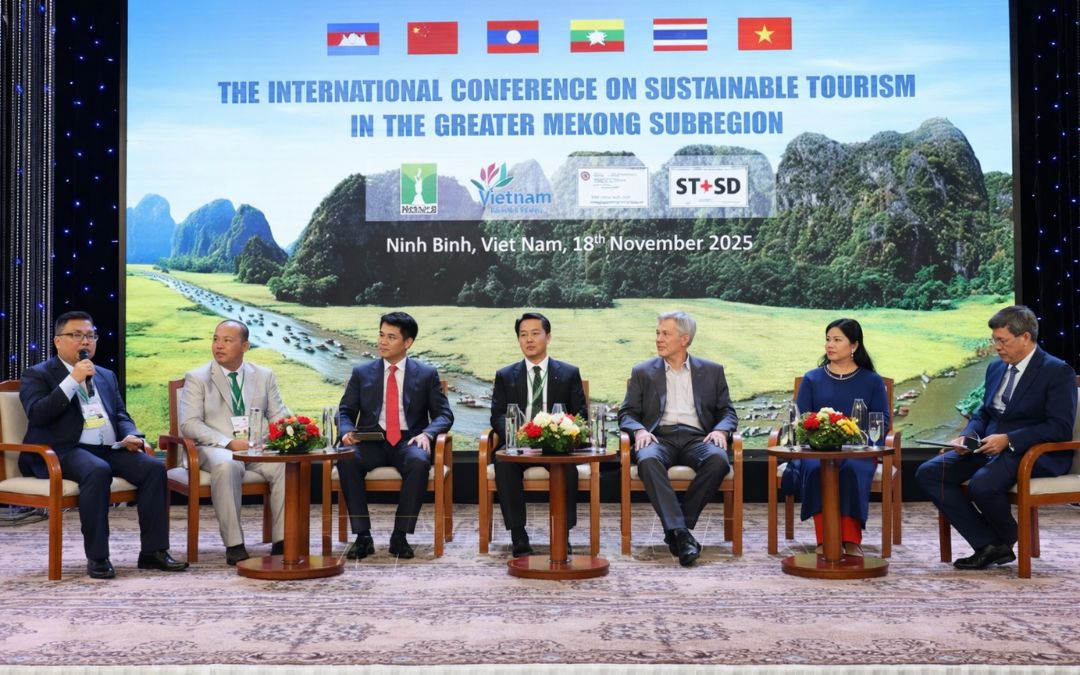
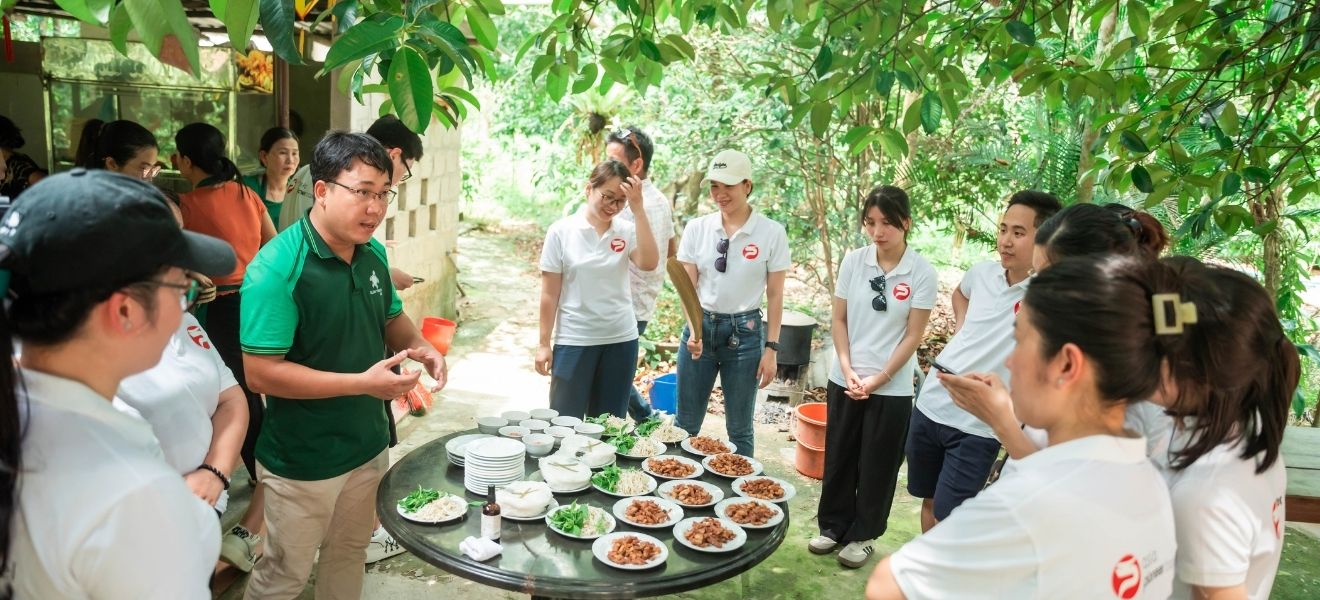
Participants exchange insights on sustainable tourism development
Ecotourism in Northern Vietnam
Sapa and the Hoang Lien Son Mountain Range
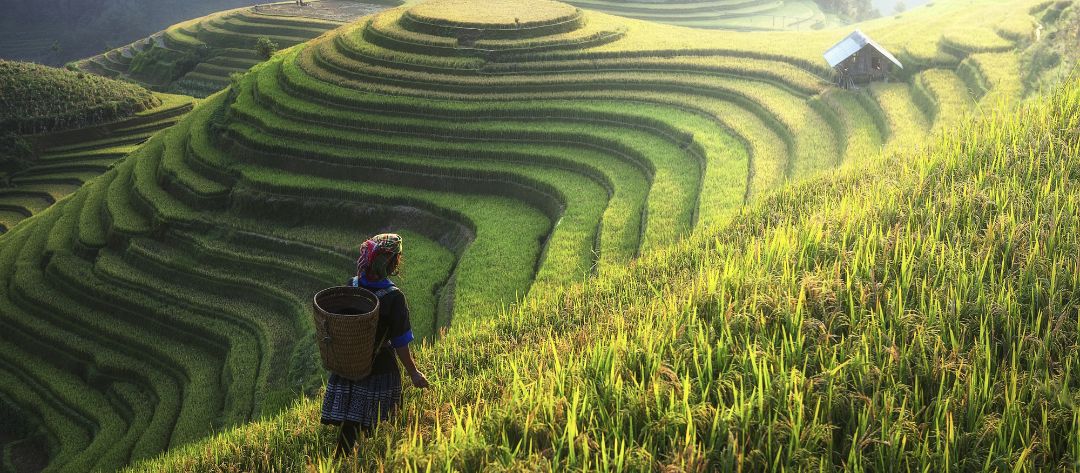
The terraced rice paddies of Sapa represent iconic symbols of sustainable agriculture and cultural preservation. We recommend developing itineraries that include homestays with ethnic minority communities such as the Hmong, Dao, and Tay people. These experiences allow travelers to participate in rice planting, traditional weaving, and organic farming while providing direct economic benefits to host families.
Hoang Lien National Park, home to Fansipan—Indochina’s highest peak at 3,143 meters—offers exceptional trekking opportunities through primary forests rich with biodiversity. Certified local guides share knowledge about medicinal plants, traditional forest management, and wildlife conservation.

Breathtaking view of Sapa, where nature and local culture intertwine to create Northern Vietnam’s most iconic landscape
Ba Be National Park
Ba Be National Park showcases Vietnam’s largest natural lake, surrounded by limestone mountains and pristine forests spanning over 10,000 hectares. Multi-day kayaking expeditions combined with village stays create immersive experiences highlighting the interdependence between local communities and their natural environment. The park supports over 550 plant species and 233 animal species, with cave systems, waterfalls, and diverse wildlife providing endless nature-based opportunities.

Immersive experiences like kayaking on Ba Be Lake
Cuc Phuong National Park
As Vietnam’s first national park, Cuc Phuong protects ancient lowland forests and operates the Endangered Primate Rescue Center, which houses over 180 primates representing 15 species. Night safaris, butterfly garden tours, and primate conservation programs offer educational experiences that support research and rehabilitation initiatives.
Central Vietnam: Forests and Coastal Ecosystems.
Central Vietnam: Forests and Coastal Ecosystems
Phong Nha – Ke Bang National Park
This UNESCO World Heritage Site contains the world’s largest cave systems, including Son Doong Cave, discovered in 1991 and opened to tourists in 2013. Beyond spectacular geology, Phong Nha – Ke Bang national park protects ancient karst forests covering 857.54 square kilometers that harbor rare species like the Hating Langur and Saola—one of the world’s rarest large mammals.
Responsible tour operators limit group sizes, employ local guides, and contribute to conservation funds. Adventure activities like jungle trekking, cave exploration, and wildlife watching minimize environmental impact while maximizing educational value.
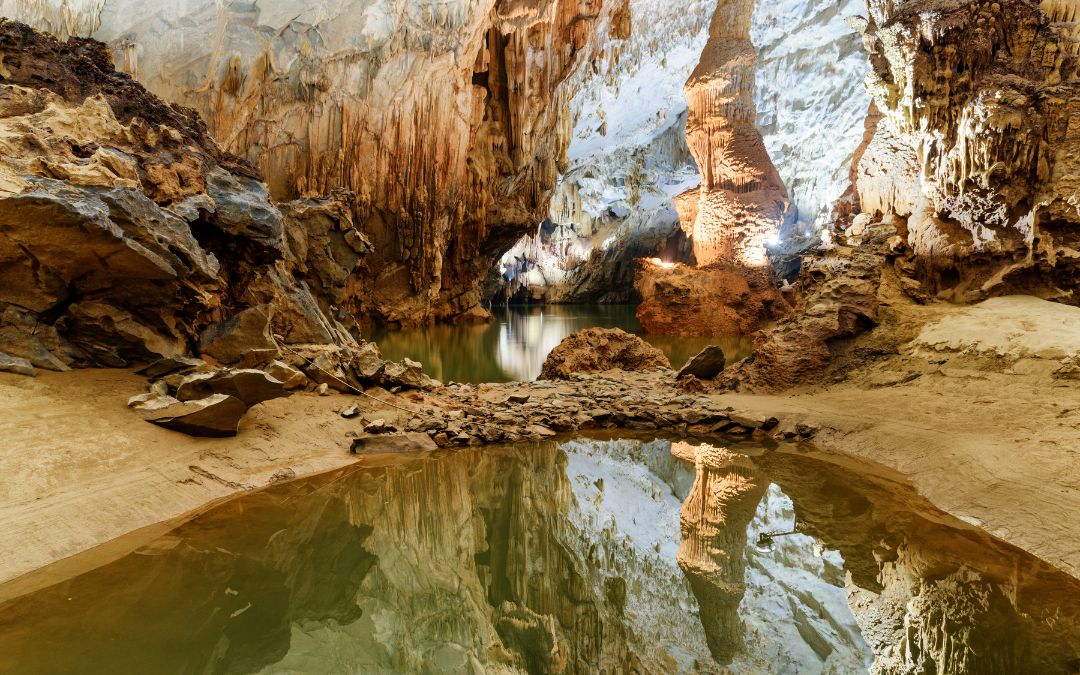
Phong Nha – Ke Bang, a UNESCO World Heritage Site with some of the most magnificent cave systems
Bach Ma National Park
Located between Hue and Da Nang, Bach Ma National Park offers mountain retreats with cascading waterfalls, diverse bird populations, and remnant primary forests. The park’s elevation creates distinct climate zones supporting 2,373 plant species and 1,715 animal species. Birdwatching tours, nature photography expeditions, and botanical walks appeal to specialized interest groups seeking authentic wilderness experiences.

Strolling beneath the ancient forest canopy in Bach Ma National Park
Cu Lao Cham Marine Park
This UNESCO Biosphere Reserve near Hoi An protects coral reefs, seagrass beds, and marine biodiversity. Snorkeling, diving, and sea turtle conservation programs provide marine ecotourism opportunities while supporting habitat protection and sustainable fishing practices within local communities.
Ecotourism in Southern Vietnam: Wetlands and Marine Environments
Mekong Delta
The Mekong Delta’s intricate network of rivers, canals, and wetlands covers approximately 40,500 square kilometers, supporting one of the world’s most productive agricultural regions. Ecotourism experiences focus on sustainable agriculture, traditional crafts, and waterway conservation.
We suggest itineraries including organic fruit orchards, traditional candy-making workshops, and floating markets. Cycling tours through rural villages and sampan rides through narrow canals provide intimate perspectives on delta life while generating income for small-scale entrepreneurs.

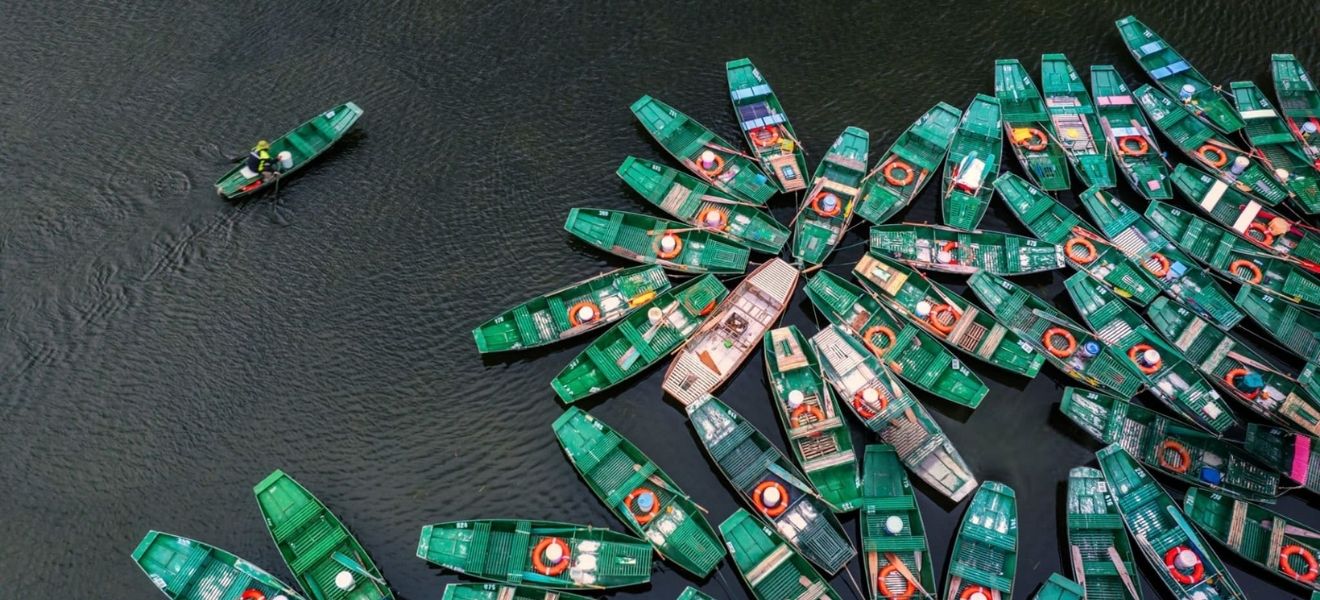
Navigating the intricate network of Mekong canals by traditional boat
Con Dao Archipelago
Con Dao represents Vietnam’s premier marine ecotourism in Vietnam destination. The archipelago’s national park protects vital sea turtle nesting beaches, coral reefs, and seagrass beds across 20,000 hectares. Between May and September, travelers participate in sea turtle conservation programs, including beach patrols and nest monitoring for endangered green turtles and hawksbill turtles.
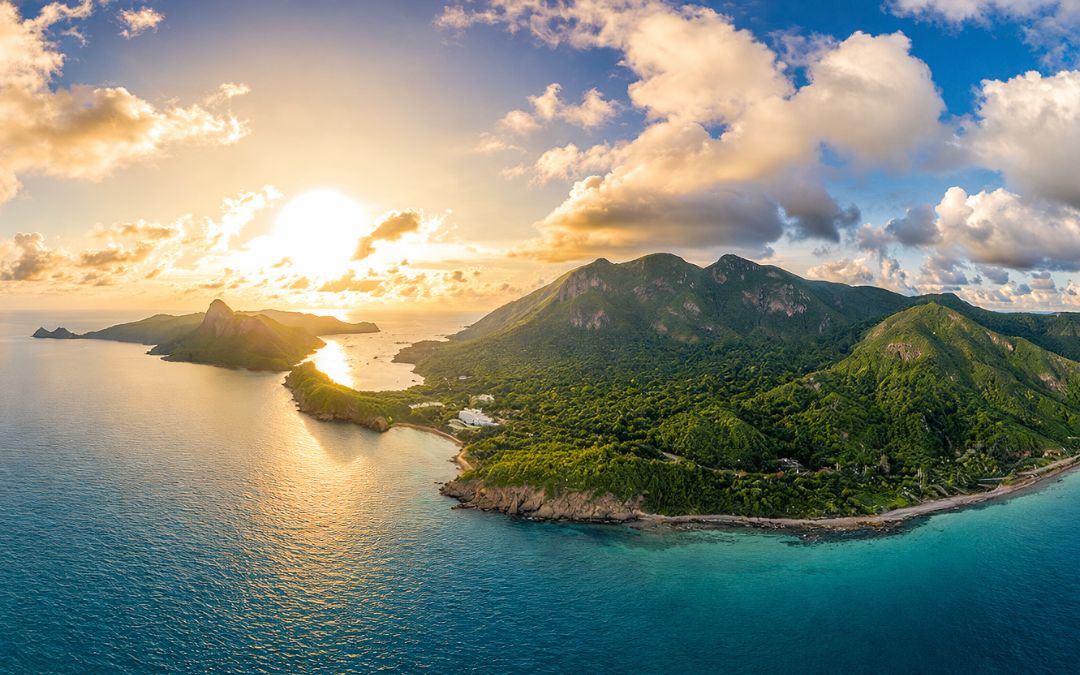
A panoramic view of Con Dao National Park
Cat Tien National Park
Cat Tien’s lowland tropical forests provide habitat for Asian elephants, sun bears, and over 350 bird species across 71,920 hectares. Rehabilitation programs for rescued wildlife offer educational opportunities, raising awareness about conservation challenges. Night safaris, gibbon tracking, and crocodile lake excursions support park management and research initiatives.
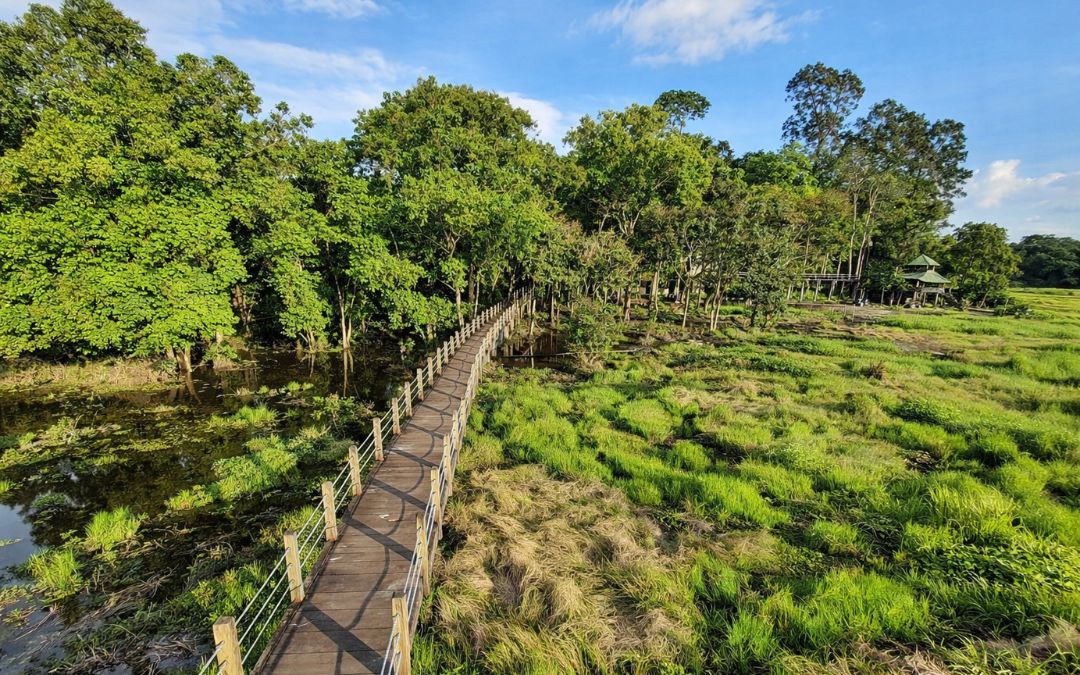
The lush, cool scenery at Cat Tien National Park
Authentic Ecotourism Experiences
Community-Based Tourism
Community-based tourism empowers local populations to become tourism stakeholders while preserving cultural traditions and natural resources, a key pillar of ecotourism in Vietnam:
- Homestay Programs: Carefully selected families welcome travelers into their homes, sharing meals, stories, and daily activities. Studies show homestay programs can increase household income by 30-50% in participating communities.
- Traditional Craft Workshops: Travelers learn traditional skills like silk weaving, pottery making, conical hat crafting, and natural dyeing from master artisans, preserving endangered crafts while creating market opportunities.
- Agricultural Tourism: Participating in rice cultivation, tea harvesting, coffee processing, or aquaculture activities connects travelers with Vietnam’s agricultural heritage while demonstrating sustainable farming practices.

Immersing in daily life inside a traditional stilt house
Wildlife Conservation Experiences
- Primate Conservation: The Endangered Primate Rescue Center in Cuc Phuong allows visitors to learn about conservation efforts for langurs, gibbons, and lorises while supporting rehabilitation programs.
- Sea Turtle Conservation: Beach clean-ups, nest monitoring, and hatchling releases on Con Dao or Cu Lao Cham create powerful connections with marine conservation. These programs have increased nesting success rates by over 40% in recent years.
- Birdwatching: Vietnam’s position along the East Asian-Australasian Flyway makes it crucial for migratory birds, with over 840 species recorded. Specialized birding tours support habitat protection while appealing to dedicated ornithologists.
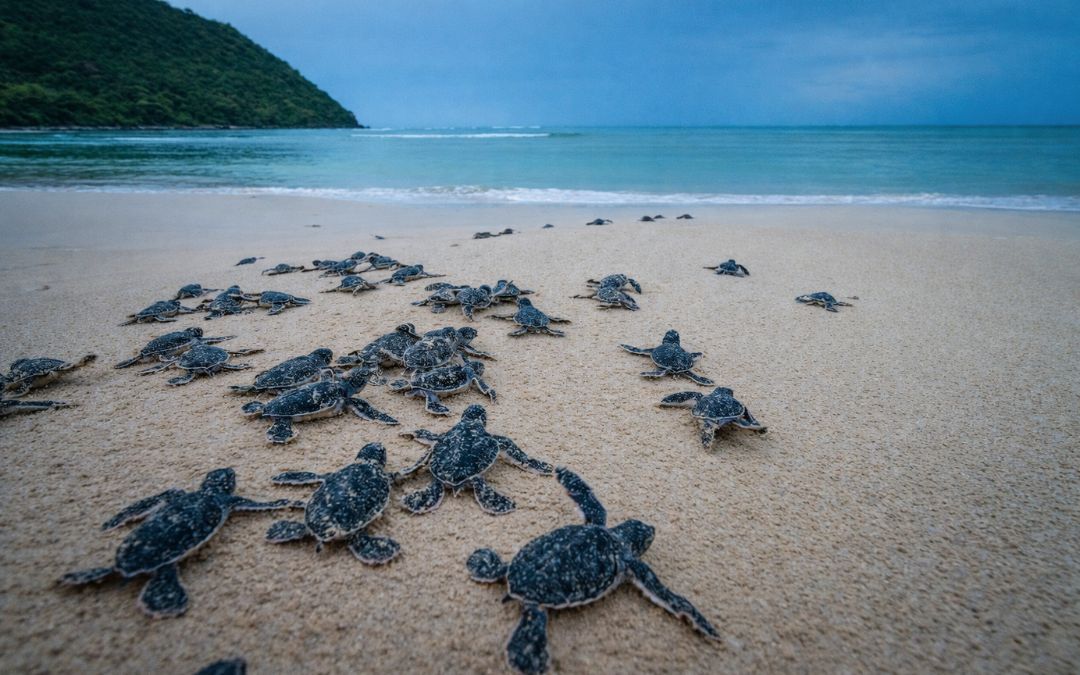
Participating in sea turtle conservation programs in Con Dao, from nest monitoring to hatchling releases
Sustainable Adventure Activities
- Responsible Trekking: Multi-day treks through national parks follow Leave No Trace principles, employ local guides, and use established trails to prevent erosion and habitat disturbance.
- Kayaking and Canoeing: Non-motorized water activities provide quiet access to sensitive ecosystems without disturbing wildlife or polluting waterways.
- Cycling Tours: Bicycle expeditions offer low-impact transportation, encouraging meaningful interactions with local communities and landscapes.
> Read More: Sustainable Tourism: What It is and How It Values?
Best Time to Visit Vietnam for Ecotourism
Understanding Vietnam’s Climate Zones
Vietnam’s elongated geography creates distinct climate zones that require careful consideration when planning ecotourism in Vietnam itineraries to ensure optimal weather conditions and wildlife viewing opportunities.
Northern Vietnam, including Hanoi, Sapa, and Ha Long Bay, experiences the best conditions from September to November and March to May when cooler temperatures, clear skies, and minimal rainfall create ideal circumstances for trekking and outdoor activities. However, travelers should note that December to February can bring cold temperatures and persistent fog to mountainous areas, while summer months from June to August bring intense heat and humidity that can make strenuous activities uncomfortable.
Central Vietnam, encompassing Hue, Da Nang, Hoi An, and Phong Nha, offers optimal conditions from February to May when warm, dry weather prevails, though visitors should avoid September to January when heavy rainfall and potential typhoons can disrupt travel plans and make outdoor activities dangerous.
Seasonal Highlights for Ecotourism
Each season in Vietnam offers unique ecotourism opportunities that appeal to different interests and activities, allowing tour operators to create specialized itineraries throughout the year.
- Spring, months from March to May bring vibrant green rice terraces in Sapa as new crops are planted, wildflowers bloom prolifically in national parks, and comfortable temperatures make trekking particularly enjoyable while excellent visibility enhances wildlife watching opportunities.
- Summer, from June to August coincides with the critical sea turtle nesting season in Con Dao from May through September, while lush vegetation reaches its peak throughout the country, and butterfly populations explode in places like Cuc Phuong National Park, creating spectacular natural displays.
- Autumn, months from September to November showcase the golden harvest season in rice-growing regions, offer clear skies and comfortable temperatures nationwide that are perfect for photography and outdoor activities, and welcome migratory birds arriving in wetland areas along the East Asian-Australasian Flyway.
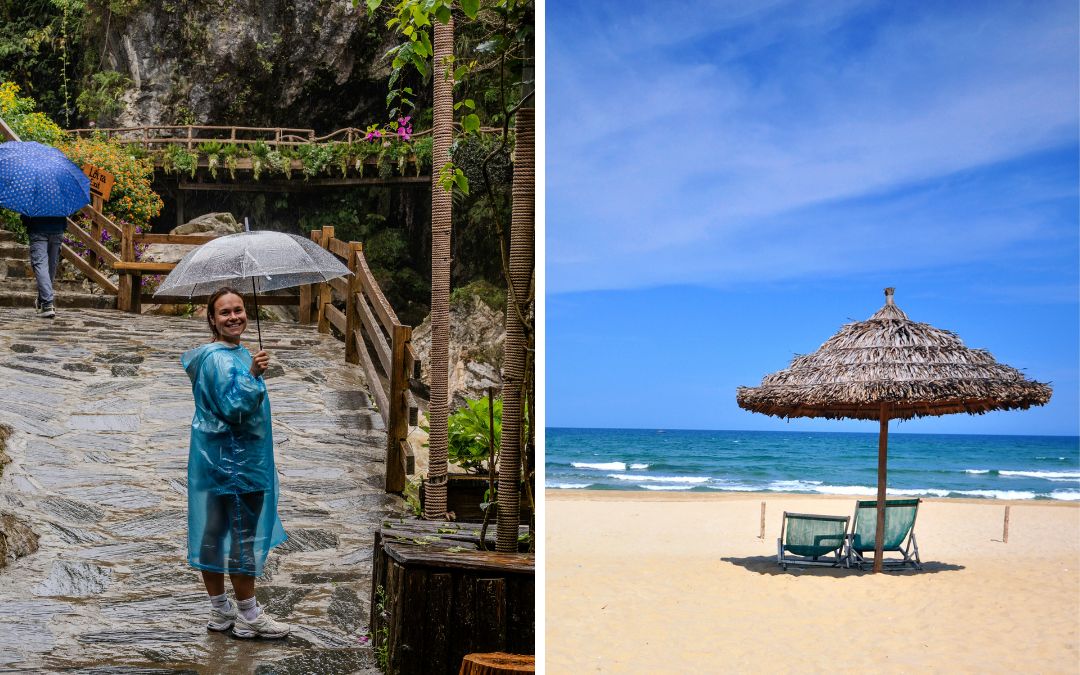
Weather plays a crucial role in ecotourism experiences
> Read more: When Is The Best Time To Go To Vietnam?
The Future of Ecotourism in Vietnam
Emerging Destinations
Vietnam continues developing innovative ecotourism in Vietnam opportunities in previously inaccessible areas, distributing tourism benefits more widely while reducing pressure on established destinations that face overcrowding challenges.
Pu Luong Nature Reserve in Thanh Hoa Province has emerged as an exciting alternative to Sapa, offering similarly spectacular terraced landscapes, authentic ethnic minority villages, and pristine forests across 17,662 hectares without the crowds and commercialization that sometimes diminish visitor experiences in more famous locations.
U Minh Ha National Park protects the Mekong Delta’s largest remaining cajuput forest, providing unique wetland ecosystems and rare wildlife viewing opportunities across 8,038 hectares that showcase a completely different environment from Vietnam’s better-known mountain and coastal destinations.
Bidoup Nui Ba National Park in the Central Highlands harbors numerous endemic species and offers cool-climate trekking alternatives that appeal to visitors seeking respite from tropical heat while protecting 64,800 hectares of montane ecosystems that are critically important for watershed protection and biodiversity conservation.
Technology Integration
Digital tools and innovative technologies are revolutionizing sustainable tourism in Vietnam, creating new possibilities for enhancing visitor experiences while improving environmental protection.
Virtual reality pre-trip experiences allow potential travelers to preview destinations in immersive detail, setting appropriate expectations about accommodation standards and activity difficulty levels while building excitement that translates into confirmed bookings. Mobile applications providing real-time information about sustainable practices, local customs, and conservation guidelines empower travelers to make informed decisions throughout their journeys, reducing unintentional negative impacts that can occur when visitors lack cultural or environmental knowledge.
Blockchain technology offers promising applications for transparent tracking of tourism revenue distribution, ensuring that funds reach intended conservation and community projects rather than being diverted or lost to administrative overhead, thereby building trust with increasingly skeptical consumers who want proof that their travel dollars create a positive impact.
Climate Change Adaptation and Policy Developments
Vietnam’s significant vulnerability to climate change impacts requires proactive adaptation strategies that will shape the future of ecotourism in Vietnam in the coming decades.
Rising sea levels and increased storm intensity threaten coastal ecotourism destinations like Con Dao and Ha Long Bay, making mangrove restoration and coral reef protection not just conservation priorities but essential strategies for maintaining tourism assets that generate crucial revenue for local communities.
Agricultural adaptation becomes increasingly important as climate shifts affect traditional farming practices that form the foundation of agritourism experiences. Climate-smart agriculture and crop diversification help communities maintain tourism appeal while building resilience to changing conditions.
The Vietnamese government is developing national ecotourism certification standards that will recognize operators meeting rigorous environmental and social responsibility criteria. At the same time, community empowerment initiatives are gaining momentum, progressively transferring tourism management responsibilities to local populations. This ensures that communities not only benefit directly from conservation efforts but also hold genuine decision-making power over how their natural resources are utilized for tourism development.
Final thoughts
Ecotourism in Vietnam represents an extraordinary opportunity to deliver transformative travel experiences while contributing meaningfully to conservation and community development. The country’s remarkable biodiversity, cultural richness, and growing commitment to sustainability create ideal conditions for responsible tourism that benefits everyone involved—travelers, local populations, and the environment alike. As the demand for ecotourism in Vietnam continues to grow, travel professionals can tap into the expanding market of conscious travelers seeking deeper connections by designing thoughtful itineraries that balance environmental protection with authentic cultural immersion.
Vietnam’s natural and cultural treasures await discovery through responsible practices that ensure these wonders remain intact for generations to come. With Asia Pioneer DMC, you gain a trusted partner dedicated to turning this vision into reality—delivering seamless, professional travel planning that transforms ecotourism principles into unforgettable journeys across Vietnam’s most precious landscapes.