




Tet Holiday in Vietnam is an important consideration for overseas travel agents planning itineraries for clients visiting the country in late January or February. Some travelers want to experience the Vietnamese Lunar New Year, while others may have chosen their dates without realizing how the holiday can affect transport, restaurant openings, service availability, and travel costs.
Tet is not necessarily a reason to avoid Vietnam. For the right traveler, it can be an opportunity to experience one of the country’s most meaningful cultural celebrations. The key is understanding what changes, setting realistic expectations, and designing an itinerary around the holiday rather than treating it like a regular travel period.
This guide explains how Tet affects travel operations, what overseas travel agents should confirm before quoting, and how to work with a local Destination Management Company (DMC) to create a realistic itinerary for clients traveling during the holiday.
What Tet Is and Why It Matters for Travel Planning
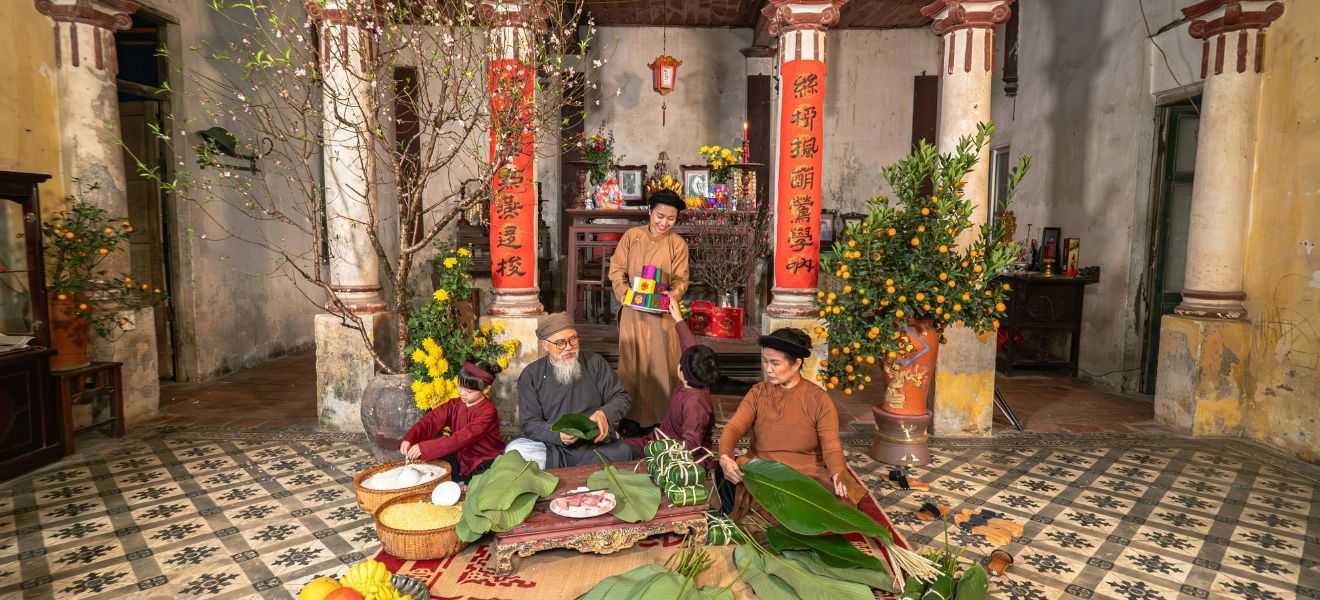
Tet Nguyen Dan, commonly known as Tet, marks the Vietnamese Lunar New Year. It is Vietnam’s most important annual celebration, centered on family reunions, ancestral traditions, temple visits, festive foods, and the beginning of a new lunar year.
For many Vietnamese people, Tet is a time to return to their hometowns and spend several days with family. This creates a major movement of domestic travelers before and after the holiday, while many family-run businesses temporarily close so their owners and staff can celebrate.
For overseas travel agents, Tet presents three important planning considerations.
- Domestic travel demand increases: Flights, trains, and intercity transport can become difficult to secure on popular routes and dates.
- The availability of local experiences changes: Street food vendors, traditional markets, craft workshops, and independent restaurants may close temporarily.
- Costs and staffing arrangements may differ: Hotels, guides, drivers, and other suppliers may apply holiday surcharges or have limited availability.
The impact is not identical across every destination or service. International-standard hotels, major attractions, and established tourism operators may continue operating, but their schedules and staffing should never be assumed without confirmation.
The most useful approach is to treat Tet as a distinct operating period that requires its own itinerary planning and supplier checks.

Key Tet Dates for Travel Agents
Tet follows the lunar calendar, so its Gregorian date changes each year. It generally falls between late January and mid-February.
- Tet 2027: Lunar New Year’s Day falls on February 6, 2027. The approved public-sector holiday runs from February 4 to February 10, 2027.
- Tet 2028: Lunar New Year’s Day falls on January 26, 2028. The official holiday arrangements should be checked when announced.
For the 2027 holiday, the seven-day schedule applies to the relevant public-sector workforce. Private employers may arrange their employees’ holiday schedules according to applicable labor rules, so the official dates should not be treated as a universal closure calendar.
For current dates, refer to the Vietnamese Government’s official holiday announcements and confirm supplier operating dates directly.
Planning principle: The official holiday window is a useful reference, not a complete picture of travel disruption. Domestic transport demand can rise before Tet, while some family-run businesses may take additional time to reopen afterward.
When a client provides dates in late January or February, check the lunar calendar early in the inquiry process before preparing a quotation or promising specific experiences.
How Tet Affects Travel: A Three-Phase Timeline
Understanding the sequence of the holiday helps agents decide where to place each destination and activity.
Phase 1: The Week Before Tet
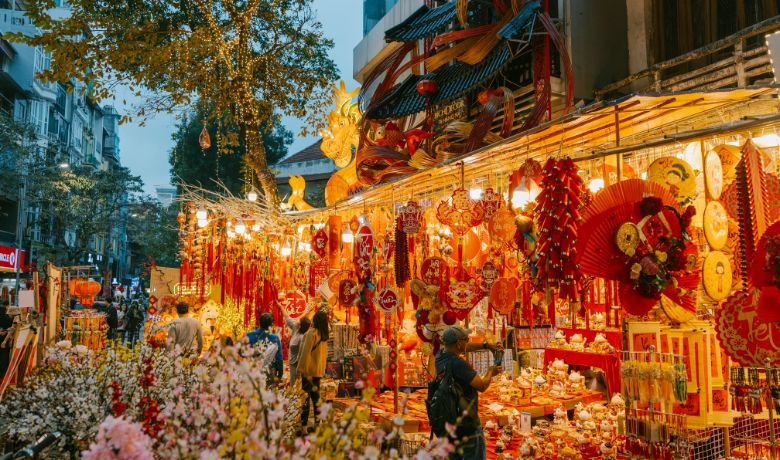
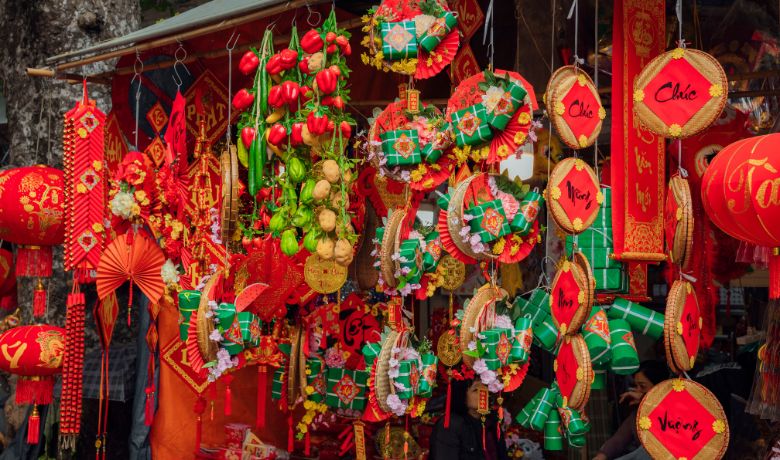
The days leading up to Tet are often visually vibrant. Flower markets, festive decorations, and preparations for family celebrations create opportunities for travelers to see a different side of everyday Vietnamese life.
Hanoi and Ho Chi Minh City can be especially interesting during this period. Markets become busier, families shop for traditional foods and decorations, and streets take on a festive atmosphere.
However, this is also when many Vietnamese residents travel home. Airports, railway stations, intercity roads, and domestic transport routes may become congested.
How to plan:
- Schedule city-based cultural exploration and festive market visits while relevant markets and businesses are operating.
- Avoid unnecessary intercity transfers on dates when domestic transport demand is expected to peak.
- Secure domestic flights, train tickets, guides, and drivers as early as possible.
- Confirm the exact opening hours of markets and attractions rather than relying on their usual schedules.
This phase can be ideal for clients who enjoy photography, food culture, and observing local traditions, provided the itinerary allows enough time and flexibility.
Phase 2: New Year’s Eve and the First Few Days

This is the period when many families focus on reunions, home celebrations, and traditional visits to temples and pagodas.
Some streets and public areas may feel noticeably quieter than usual. At the same time, many independent restaurants, street food stalls, small shops, local markets, and craft workshops may close or reduce their hours.
Not every business closes, and tourist services may continue operating. However, the availability of specific experiences depends on the supplier, location, and holiday arrangements.
How to plan:
- Consider an overnight cruise in Ha Long Bay or Lan Ha Bay, provided the operator has confirmed its holiday service.
- Use a resort or beach stay as a relaxing part of the itinerary.
- Arrange city walks, temple visits, or other activities that do not depend on multiple small businesses being open.
- Confirm restaurant arrangements in advance, especially for clients with dietary requirements or specific dining preferences.
- Check whether guides and drivers are available and whether holiday supplements apply.
For some travelers, a quieter Hanoi or Ho Chi Minh City is a welcome change. For others, the reduced availability of street food and independent businesses may limit the experience they expected.
The distinction should be explained before the client confirms the trip.
Phase 3: The Days After Tet
Business activity generally resumes gradually after the main holiday. Tourist-facing establishments may reopen at different times, while some family-run businesses and neighborhood markets take longer.
Domestic travel demand can also remain high as people return to work and major cities. This means the end of the official holiday does not automatically guarantee normal transport availability.
How to plan:
- Confirm reopening dates for restaurants, craft villages, markets, and workshops.
- Recheck domestic flight and train availability before finalizing the route.
- Avoid assuming that every activity will be available immediately after the main holiday.
- Keep alternative experiences ready in case a supplier cannot resume service on the expected date.
For agents, the important question is not simply whether the client travels before, during, or after Tet. It is whether each planned service will be operating on the exact day it appears in the itinerary.

Tet Costs and Availability: What to Confirm Before Quoting
Tet is a period of increased domestic travel demand, but its effect on pricing varies by destination, supplier, service, and date. Rather than applying a blanket assumption to the entire itinerary, agents should identify which components are likely to carry additional costs.
Domestic Flights and Trains
Popular domestic routes can experience strong demand as people travel to their hometowns and holiday destinations.
Routes connecting Hanoi, Ho Chi Minh City, Da Nang, and Phu Quoc may require particular attention, depending on the dates and direction of travel.
For agents, the risk is not only a higher fare. Suitable departure times or preferred cabin and seat options may become unavailable, forcing changes to the itinerary.
Before quoting:
- Check availability for the actual travel dates.
- Identify which flights or train journeys are essential to the route.
- Confirm baggage conditions, ticket restrictions, and change policies.
- Avoid promising a specific departure until the relevant inventory has been verified.
Hotels and Resorts
Some Vietnamese destinations become especially popular with domestic holidaymakers. Beach resorts and leisure destinations may experience high demand, but the pattern varies by year and property.
The headline room rate may not tell the whole story. Depending on the property, agents may need to check for compulsory festive meals, minimum-stay conditions, restricted cancellation terms, or special payment deadlines.
Before quoting:
- Request written confirmation of the total applicable rate.
- Check whether compulsory meals or supplements apply.
- Confirm minimum stays and cancellation deadlines.
- Verify room availability for the full itinerary, not just the first night.
These details should appear in the proposal or quotation wherever possible, rather than emerging after the client has approved the trip.
Guides, Drivers, and Ground Services
Guides and drivers may have personal holiday commitments, and some suppliers apply additional fees for working during Tet. Availability depends on the provider and the dates involved.
For a multi-stop private journey, this matters because a single unconfirmed transfer can affect the timing of several activities.
Before quoting:
- Confirm guide and driver availability for each service date.
- Check holiday supplements and any changes to working hours.
- Agree on meeting points, pickup times, and emergency contacts.
- Identify backup arrangements for essential transfers where feasible.
A transparent quotation is more valuable than a low initial price that excludes foreseeable holiday costs.
Itinerary Design: Six Practical Rules for Tet Travel
1. Identify Tet Overlap During the Initial Inquiry
Add a Tet date check to the standard client intake process, alongside travel dates, budget, group size, accommodation preferences, and interests.
If the client has flexible dates, compare the proposed itinerary with options before or after the main holiday. A shift of several days may improve service availability, although the best alternative depends on the route and the client’s priorities.
If the dates are fixed, treat the holiday as a core design consideration from the start.
2. Secure Essential Transport Early
Identify the flights, trains, and road transfers that determine whether the itinerary works.
Once availability has been checked, prioritize the services that would be difficult to replace. Keep realistic buffers between connections, particularly when a domestic journey precedes a cruise departure or an international flight.
Do not finalize a complex itinerary based only on typical journey times or historical availability.
3. Match Activities to the Holiday Phase
Place activities according to their dependence on local businesses.
The week before Tet may be suitable for festive markets, local food exploration, and selected craft experiences. During the main holiday, consider confirmed cruises, resort stays, guided walks, and other services with reliable operating arrangements.
After Tet, reintroduce market visits and independent businesses only once their opening dates have been confirmed.
This approach is more effective than simply moving every activity to the beginning or end of the trip.
4. Protect the Experiences That Matter Most to the Client
Ask what the client most wants from Vietnam.
If street food, market visits, and craft traditions are central to the trip, those experiences need to be checked first. If the client values heritage, scenic landscapes, comfort, and relaxation, it may be easier to build a suitable itinerary around the holiday.
Where a planned experience is unavailable, explain the reason and offer a meaningful alternative rather than substituting an unrelated activity.
For example, a market-based cooking class may need to be replaced with a confirmed cooking experience that does not depend on a market visit. The alternative should still serve the client’s original interest in Vietnamese food culture.
5. Confirm Staffing and Service Conditions in Writing
A supplier’s usual operating schedule does not confirm its availability during Tet.
Ask each relevant supplier to confirm the service date, operating hours, price, supplements, cancellation terms, and any special arrangements. This is particularly important for private guiding, transfers, dining, cruises, and small cultural workshops.
Keep a record of these confirmations so that the sales team, operations team, and overseas agent are working from the same information.
6. Build Flexibility Into the Route
Avoid itineraries that depend on several tightly timed connections or on every independent business reopening as expected.
Where possible, allow enough time between transfers, keep a practical alternative for activities that depend on local suppliers, and avoid scheduling a domestic flight on the same day as an international departure during a high-demand period unless the connection has been carefully assessed.
The objective is not to remove every uncertainty. It is to prevent a single delay or closure from disrupting the entire trip.
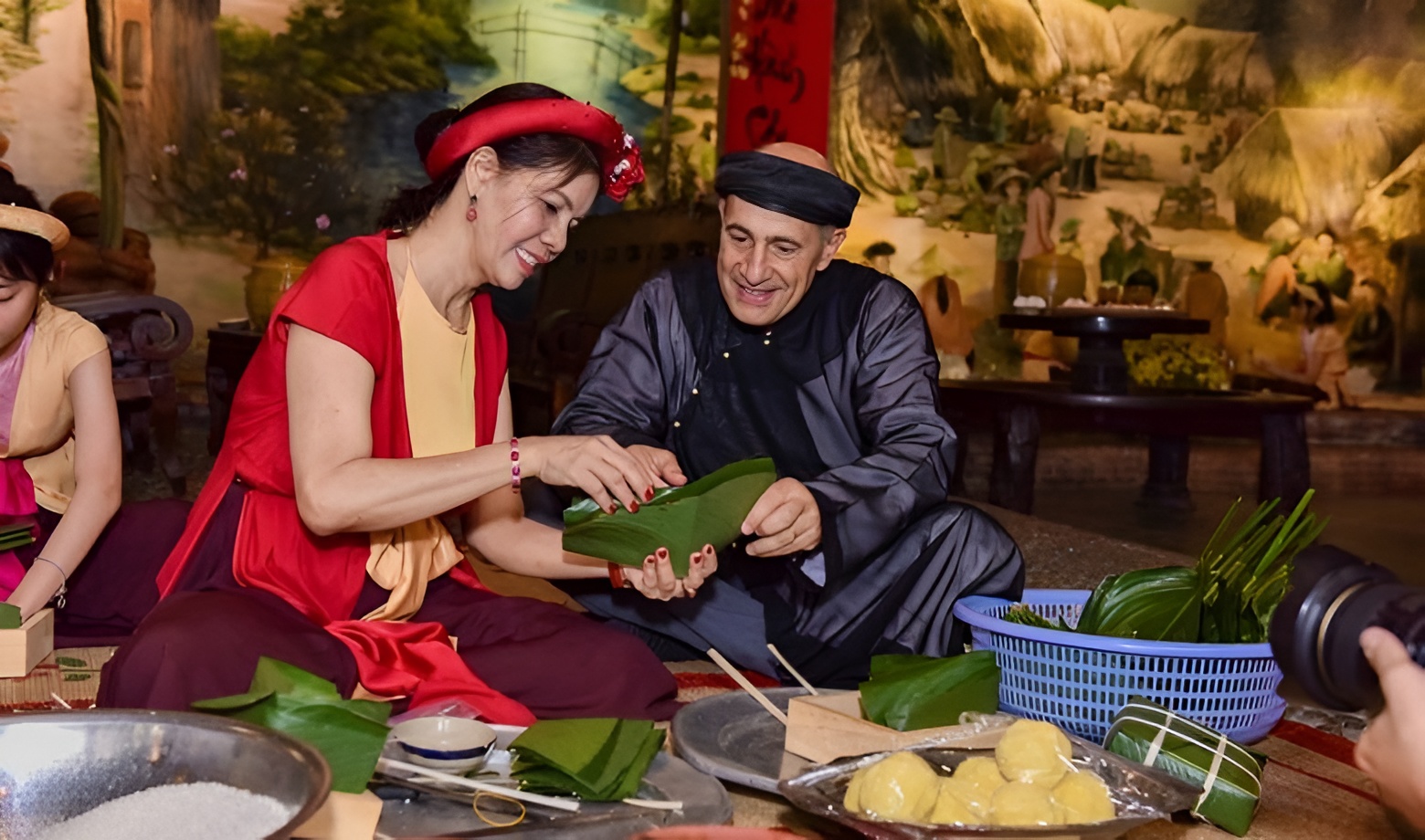
Is Tet Right for Your Client?
Tet can be an excellent travel period for some clients and a poor fit for others. The decision should be based on their expectations, travel dates, and willingness to plan around holiday conditions.
Tet may suit clients who want:
- Festive decorations, flower markets, and seasonal city scenes.
- A glimpse of Vietnamese family and spiritual traditions.
- A slower city atmosphere during the main holiday.
- A confirmed cruise, resort stay, or private itinerary designed around the closures.
Travel before or after the main holiday may suit clients who prioritize:
- Street food tours and spontaneous dining.
- Local markets, craft villages, and hands-on cultural workshops.
- Maximum flexibility in restaurant and activity choices.
- A fast-paced, multi-region itinerary or a tightly controlled budget.
These are not absolute rules. The suitability of Tet depends on the precise dates, route, and services available. Some clients may enjoy a combination of festive city exploration before Tet and a quieter resort stay during the main holiday.
Agents should present the advantages and limitations clearly, then let the client’s priorities guide the decision.
Working With a Local DMC During Tet
Tet requires more than a standard itinerary template. A local DMC can help overseas agents assess whether the proposed route is realistic, confirm service availability, identify holiday-related costs, and adjust the sequence of destinations where necessary.
For travel agents and tour operators, the most useful information to provide when requesting a Tet itinerary includes:
- Travel dates: Include the arrival and departure dates, as well as any flexibility.
- Group details: Number of travelers, ages where relevant, and any mobility or service considerations.
- Travel priorities: Food, heritage, nature, local culture, relaxation, or other interests.
- Accommodation expectations: Preferred category, location, and comfort requirements.
- Budget and pace: The intended budget range and whether the client prefers a relaxed or active program.
- Fixed requirements: Must-visit destinations, essential experiences, and any flights already booked.
With these details, the DMC can evaluate the itinerary against actual operating conditions rather than relying on general assumptions about the holiday.
Asia Pioneer DMC supports overseas travel partners with Vietnam itinerary planning, local supplier coordination, and practical alternatives when a proposed program does not fit the dates or budget. The aim is to help agents present a realistic proposal and give their clients a clear understanding of what has been confirmed.
If you have a client considering Vietnam in late January or February, flag the dates early. Send an inquiry to Asia Pioneer DMC with the travel window, group details, and interests to discuss a suitable route and service plan.
FAQs About the Tet Holiday in Vietnam
1. When is Tet in Vietnam?
Tet follows the lunar calendar and usually falls between late January and mid-February. The date changes each year, so agents should confirm the Lunar New Year’s Day and the relevant holiday arrangements before planning the itinerary.
2. Is Vietnam open to tourists during Tet?
Yes. International visitors can travel in Vietnam during Tet, and many hotels, resorts, major attractions, and established tourism operators may continue operating. However, some independent restaurants, local markets, shops, and cultural workshops may close or reduce their hours. Confirm each planned service before departure.
3. Should travel agents avoid selling Vietnam during Tet?
Not necessarily. Tet can suit clients who are interested in seasonal traditions, quieter city streets, or confirmed cruise and resort experiences. Clients whose priorities are street food, local markets, spontaneous exploration, or a fast-paced multi-region trip may be better served by dates outside the main holiday period.
4. How far in advance should a Tet itinerary be planned?
There is no single lead time that guarantees availability. Agents should begin checking as soon as the travel dates are known, prioritizing essential flights, trains, accommodation, guides, drivers, and holiday-dependent experiences. Book only after the relevant availability, prices, supplements, and terms have been confirmed.