



When planning a Southeast Asia vacation, choosing between Vietnam and Thailand is not simply about which country has better attractions. For travel agents and tour operators, the real challenge is identifying which destination best matches their clients’ interests, travel styles, budgets, and expectations.
Both countries offer rich cultural heritage, stunning landscapes, and exceptional travel experiences, but their strengths differ. Vietnam is particularly appealing for immersive cultural journeys and diverse landscapes, while Thailand stands out for its luxury beach resorts, wellness retreats, and combinations of sightseeing and relaxation.
In this Vietnam vs Thailand guide, Asia Pioneer DMC shares practical insights from a local destination management perspective to help travel professionals compare the two countries, recommend the right experiences, and design itineraries that truly fit their clients.
1. Which Travel Experience Are Your Clients Looking For?

The most common mistake when comparing Vietnam and Thailand is focusing on attractions before understanding what clients want from their vacation.
Both countries have temples, beaches, excellent food, and luxury accommodations. Simply listing these similarities does little to help an agent make a recommendation.
The more useful distinction is how travelers want to spend their time.
Choose Vietnam for Immersive Cultural Journeys
Vietnam is particularly rewarding for clients who want to explore different aspects of a destination rather than remain in one location.
A well-designed itinerary can connect Hanoi’s historic neighborhoods, the limestone scenery of Ha Long Bay or Ninh Binh, Hue’s imperial heritage, Hoi An’s traditional craftsmanship, and the waterways of the Mekong Delta.
These destinations offer contrasting experiences, giving travel designers opportunities to build a journey around cultural discovery.
However, the real selling point is not the number of attractions included. It is how clients experience them.
Consider two ways of presenting Hoi An. One itinerary includes a walking tour of the Ancient Town and time for shopping. Another combines a guided heritage walk with a private cooking experience, a visit to a local artisan, and free time to explore independently.
Both introduce travelers to Hoi An, but the second creates more opportunities for personal engagement.
For clients interested in cultural immersion, agents can incorporate:
- Private culinary experiences with local hosts.
- Guided visits to traditional markets and craft workshops.
- Countryside excursions away from busy tourist centers.
- Cultural encounters adapted to travelers’ interests.
- Boutique accommodations that complement the destination experience.
What agents should consider: Vietnam’s diversity is an advantage only when the itinerary allows clients enough time to appreciate each destination. A rushed journey covering too many regions can undermine the cultural immersion it was designed to deliver.
Choose Thailand for Culture Combined With Relaxation
Thailand is particularly attractive when clients want cultural exploration without sacrificing extended periods of relaxation.
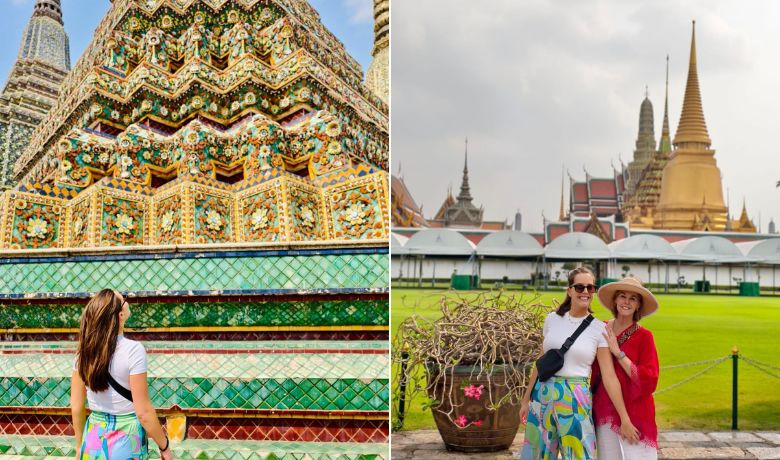
Bangkok provides opportunities for temple visits, culinary experiences, and urban exploration. Chiang Mai offers a different atmosphere, with Northern Thai culture, mountain scenery, and traditional crafts.
The country’s beach destinations then allow agents to shift the itinerary toward leisure.
For example, a client could spend several days exploring Bangkok and Chiang Mai before enjoying a five-night stay at a luxury resort in Phuket or Koh Samui.
This structure works particularly well for travelers who want memorable experiences but do not wish to change hotels throughout their vacation.
Thailand also offers strong options for wellness-focused programs, romantic escapes, and resort-centered family holidays.
However, agents should not assume that every Thai itinerary must include a beach. Northern Thailand and Bangkok can support substantial cultural journeys in their own right.
What agents should consider: When recommending Thailand, identify whether the client’s priority is the resort itself, the surrounding destination, or a combination of both. This determines where to allocate the budget and how much sightseeing to include.
2. Which Destination Fits Your Client Profile Better?
Client segmentation is one of the most practical ways to approach the Vietnam vs Thailand decision.
Rather than categorizing travelers only by age or nationality, consider their motivations, expectations, and preferred pace.
First-Time Visitors: Discovery or a Gentler Introduction?
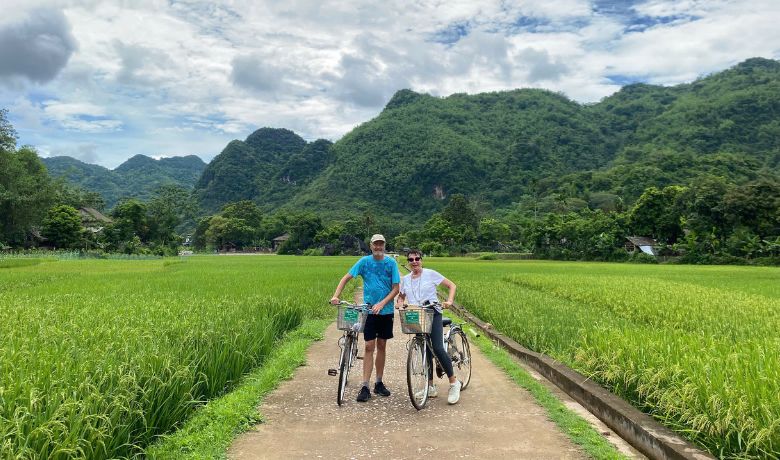
First-time visitors to Southeast Asia often want to see recognizable highlights while avoiding an overwhelming itinerary.
For clients who enjoy discovering new cultures, Vietnam can offer an engaging introduction through its varied landscapes, history, and local experiences.
A 12–14-day journey connecting Hanoi, a northern bay cruise, Hoi An, and Ho Chi Minh City can provide a broad introduction, although the exact route should be adjusted for the client’s pace.
Thailand may be more appealing to travelers who want cultural sightseeing combined with a longer resort stay.
Bangkok, Chiang Mai, and a southern beach destination can offer a balance of exploration and relaxation.
The mistake is assuming that first-time visitors always need to see as much as possible.
Ask your client: “Would you rather return home having explored several different places, or spend more time enjoying a few destinations in depth?”
This question helps reveal whether they are looking for an active journey or a more leisurely vacation.
Honeymooners: Shared Adventures or Resort-Led Romance?
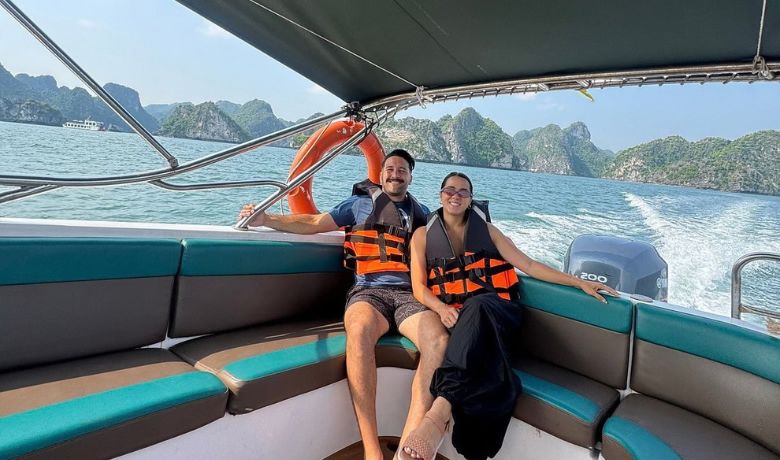
Honeymoon clients are often grouped into one category, but their expectations can differ significantly.
Thailand is a strong option for couples who picture their honeymoon around private pool villas, beachfront dining, spa treatments, and uninterrupted time together.
Vietnam can be particularly appealing to couples who want romance through shared experiences.
An overnight cruise, a countryside retreat, an intimate culinary experience, or an evening exploring Hoi An can become memorable parts of a personalized journey.
Neither approach is inherently more luxurious.
A couple may value privacy and exceptional resort service above everything else. Another may prefer a series of meaningful experiences that make their honeymoon feel distinctive.
What agents should consider: Establish how much time the couple wants to spend relaxing before selecting destinations. A honeymoon packed with early departures and frequent hotel changes can disappoint clients who expected a romantic escape.
Families and Multigenerational Groups: Flexibility Comes First
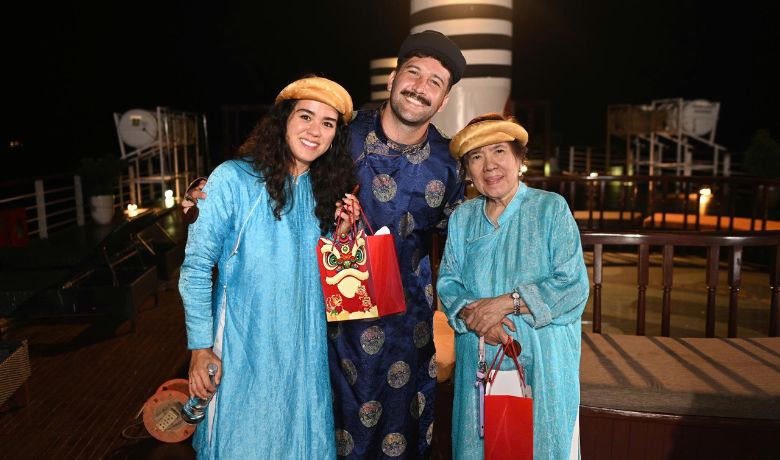
For families, the biggest challenge is often balancing different interests and energy levels.
Thailand can be particularly suitable for families prioritizing beachfront resorts, swimming pools, and convenient leisure facilities.
Vietnam can work exceptionally well for families interested in shared cultural experiences, such as cooking classes, countryside cycling, boat excursions, and traditional craft workshops.
However, neither destination should be recommended without understanding the family’s practical needs.
For example, a multigenerational group traveling with young children and grandparents may require connecting rooms, shorter walking distances, private transportation, and flexible meal arrangements.
A culturally rich itinerary will not feel successful if daily activities leave some family members exhausted.
What agents should consider: Ask about ages, mobility, accommodation preferences, and the family’s ideal balance between activities and free time. These details should determine the itinerary before individual attractions are selected.
3. Vietnam vs Thailand: Which Offers Better Value for Private Tours?

Price is often a deciding factor, but comparing Vietnam and Thailand using general daily travel costs can be misleading for professional itinerary planning.
The relevant question is not simply which country is cheaper. It is what level of experience can be delivered within the client’s budget.
Compare Equivalent Services, Not Destination Averages
Vietnam can offer attractive value for private cultural touring, particularly when itineraries combine boutique accommodations, private guides, and locally focused experiences.
Thailand offers an extensive accommodation market, including premium beachfront resorts, luxury pool villas, and internationally recognized hotel brands.
However, a private Vietnam itinerary featuring a luxury cruise and high-end hotels may cost more than a Thailand program using comfortable four-star accommodation.
Likewise, a premium Phuket resort during a busy holiday period may account for a substantial proportion of the total trip budget.
Agents should compare proposals using equivalent criteria:
- Accommodation category, room type, and location.
- Private guiding and transportation arrangements.
- Included meals, excursions, and entrance fees.
- Domestic flights and additional transfers.
- Special experiences and service inclusions.
This approach helps avoid unrealistic comparisons and gives clients a clearer understanding of what they are purchasing.
Understand Where the Budget Creates the Most Value
Budget allocation can be just as important as the total amount.
In Vietnam, clients interested in cultural immersion may appreciate additional investment in knowledgeable private guides, carefully selected local experiences, and distinctive accommodations.
For a Thailand beach vacation, upgrading to a more suitable resort or room category may have a greater impact on satisfaction than adding several sightseeing excursions.
Consider a couple with a fixed luxury travel budget.
If they choose Vietnam, the itinerary might prioritize a premium cruise, boutique hotels, and exclusive cultural experiences across several destinations.
If they choose Thailand, the same budget might be concentrated on a shorter touring program followed by an extended stay at a high-end beachfront property.
Both approaches can offer excellent value, but they deliver different experiences.
The DMC recommendation: Before requesting a quotation, ask clients which elements they are most willing to invest in. This allows the itinerary to reflect their priorities rather than distributing the budget evenly across services they may not value equally.
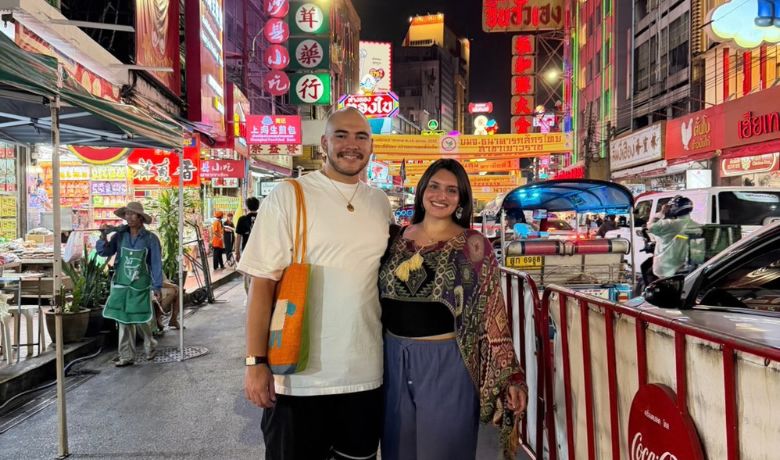
4. Best Time to Visit Vietnam vs Thailand: Avoid These Seasonal Planning Mistakes
Weather is one of the most important factors in destination selection, especially when clients have fixed travel dates.
The challenge is that neither Vietnam nor Thailand has a single weather pattern that applies to every region.
Vietnam: One Country, Different Regional Seasons
Vietnam’s geography creates considerable climatic differences between the north, center, and south.
Northern Vietnam generally experiences cooler winters and hot, humid summers. Mountain destinations such as Sapa can be substantially colder than Hanoi.
Central Vietnam, including Hue, Da Nang, and Hoi An, often offers favorable conditions during spring and parts of summer, but heavy rainfall and flooding can affect the region during autumn.
Southern Vietnam typically has a drier period around December to April, followed by a wetter season.
For agents, this creates an important planning challenge.
Imagine a client requesting a two-week Vietnam vacation in October, with Hoi An as a major highlight.
A standard north-to-south itinerary may look attractive, but Central Vietnam’s seasonal rainfall could affect the experience. The right response is not necessarily to eliminate Hoi An, but to discuss the risk, build flexibility into the program, or consider alternative routing.
Common mistake: Recommending a nationwide Vietnam itinerary based on the weather in Hanoi or Ho Chi Minh City alone.
Thailand: Choosing the Wrong Coast for a Beach Vacation
Thailand’s beach destinations also have different seasonal patterns.
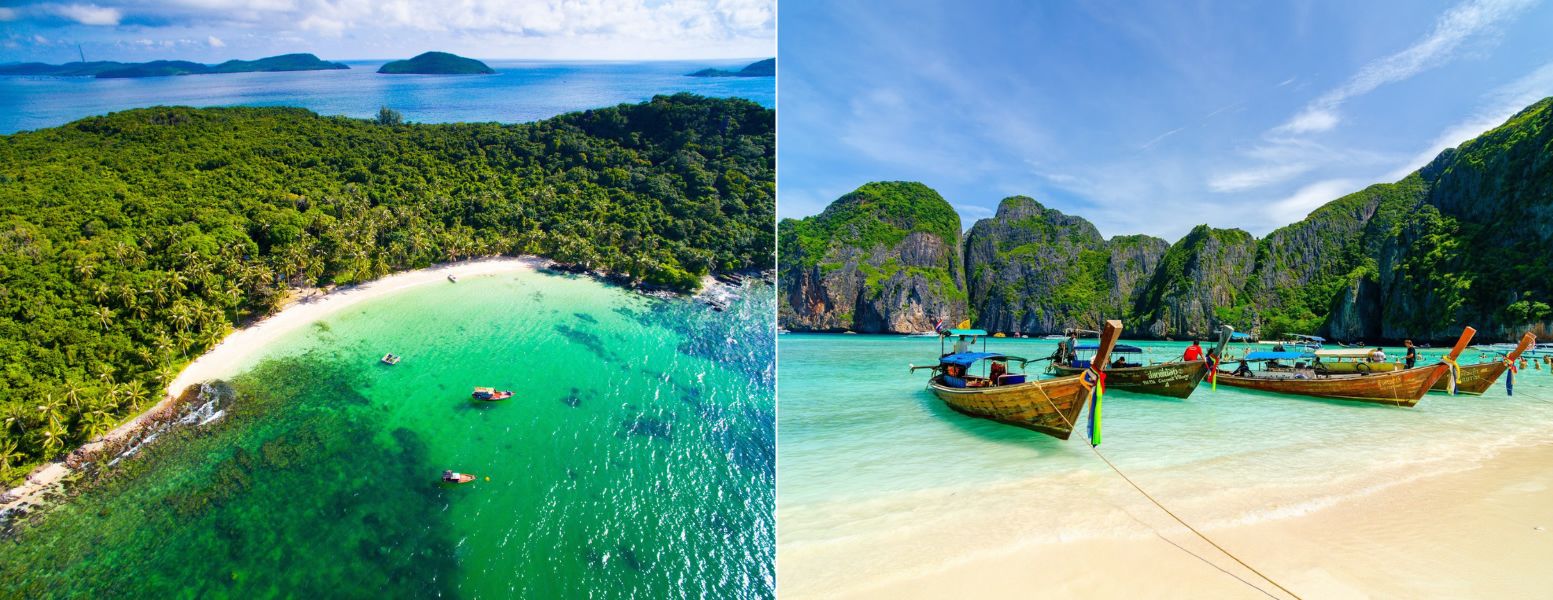
The Andaman coast, including Phuket and Krabi, generally experiences more favorable beach conditions during approximately November to April.
The Gulf of Thailand, including Koh Samui, follows a different rainfall pattern and can be a more suitable option during parts of the northern hemisphere summer.
For example, consider clients planning a July honeymoon who want a luxury beachfront resort and opportunities for boat excursions.
Automatically recommending Phuket because it is internationally recognized may not be the best approach. Koh Samui could be worth considering based on typical seasonal conditions, resort preferences, and available activities.
However, no destination can guarantee sunshine, and sea conditions can still affect excursions.
For more detailed seasonal insights, consult this Thailand weather by month guide when evaluating destinations and activities for your clients’ travel dates.
Common mistake: Treating Phuket, Krabi, and Koh Samui as interchangeable beach destinations regardless of travel month.

5. Itinerary Planning: Where Vietnam and Thailand Require Different Approaches
An attractive itinerary is not necessarily an operationally effective one.
Travel agents often face pressure to include famous destinations within limited travel periods. However, excessive transfers and unrealistic schedules can quickly reduce the quality of a private vacation.
Vietnam: Avoid Overloading a North-to-South Journey
Vietnam’s elongated geography makes route planning particularly important.
A program connecting Hanoi, Ha Long Bay, Hue, Hoi An, and Ho Chi Minh City may look comprehensive, but attempting to fit all these destinations into seven days leaves little time for meaningful exploration.
Domestic flights can shorten long-distance journeys, but they still require airport transfers, check-in procedures, and schedule allowances.
Agents should also distinguish between the number of nights in a destination and the amount of usable sightseeing time.
For example, two nights in Hoi An may provide only one full day if clients arrive late and depart early.
Rather than adding another destination, consider allowing extra time for experiences that align with the client’s interests.
For shorter Vietnam vacations, focusing on Northern Vietnam or combining Central and Southern Vietnam may produce a more comfortable itinerary than attempting to cover the entire country.
Thailand: Account for Flights, Islands, and Resort Time
Thailand may appear easier to combine because Bangkok, Chiang Mai, and Phuket are well-established tourism destinations.
However, moving between them still involves flights, airport transfers, and hotel changes.
Island itineraries introduce additional considerations, including boat schedules, weather-dependent transfers, and the location of individual resorts.
A five-night beach stay may provide substantially less relaxation than expected if it includes multiple hotel changes and frequent excursions.
This is particularly important for honeymooners and families who have chosen Thailand specifically to enjoy downtime.
The DMC recommendation: Evaluate itineraries according to usable experience time, not just the number of destinations. A well-paced program with fewer stops often delivers greater satisfaction than a longer list of attractions.
Final Thoughts: Match the Destination to the Client, Not the Trend
There is no universal winner in the Vietnam vs Thailand comparison.
Vietnam is particularly compelling for clients seeking immersive cultural experiences, varied landscapes, and multi-destination journeys. Thailand is especially attractive for travelers who want to combine cultural exploration with luxury resorts, wellness, and beach relaxation.
For travel professionals, the most important decision is not which country to promote first. It is how to translate client preferences into a realistic, personalized itinerary.
This requires understanding travel motivations, seasonal conditions, budget priorities, and the practical realities of operating tours in each destination.
At Asia Pioneer DMC, we help international travel agents and tour operators design private, tailor-made journeys across Vietnam, Thailand, and Southeast Asia. From destination selection and itinerary development to supplier coordination and on-the-ground support, our team works to create travel programs that reflect each client’s expectations.
Not sure whether Vietnam, Thailand, or a combination of both is right for your clients? Send your inquiry to Asia Pioneer DMC and let our destination specialists help you develop a journey tailored to their interests, travel dates, and preferred travel style.