


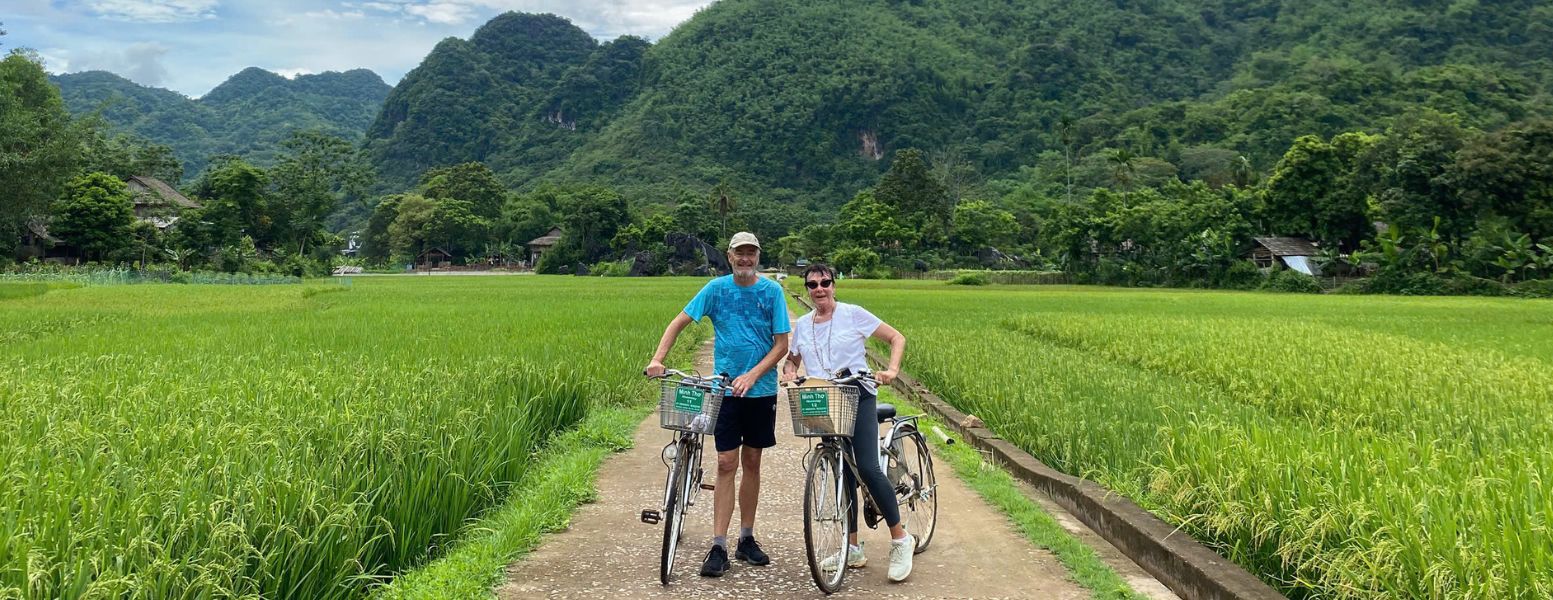


Vietnam is a popular destination in international travel portfolios, but for travel agents and tour operators, that popularity creates a familiar challenge: too many itineraries look alike.
Hanoi, Ninh Binh, Ha Long Bay, Hue, Hoi An, and Ho Chi Minh City appear in countless tour programs. While these destinations deserve their reputation, offering the same attractions in a similar order gives travelers little reason to choose one operator over another.
To differentiate the Vietnam tours, you do not necessarily need different destinations. You need to offer a different way to experience them.
Drawing on experiences featured in Asia Pioneer DMC’s product portfolios, here are six practical approaches to developing Vietnam tours with clearer and more compelling selling points.
1. Explore Popular Destinations Beyond the Usual Tourist Routes
A common mistake in tour development is assuming that differentiation requires discovering entirely new destinations. For first-time visitors, Vietnam’s famous attractions remain important. The opportunity lies in finding alternative routes and experiences that reveal a different side of places travelers already want to visit.
Ninh Binh: From Standard Sightseeing to Tam Coc Pedal & Paddle
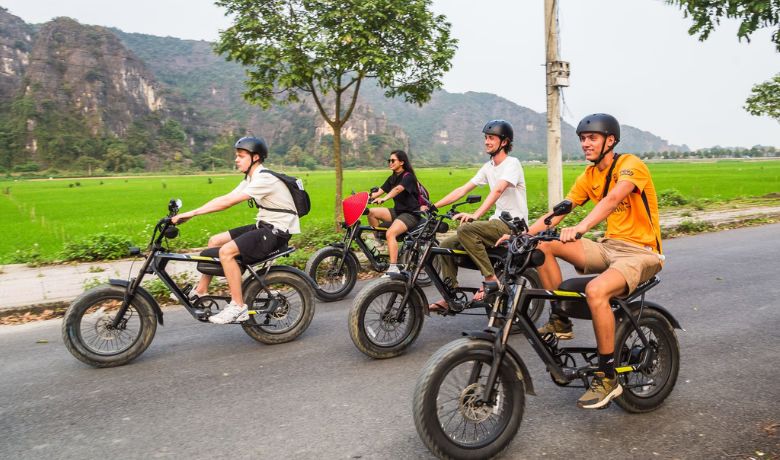
Ninh Binh is often included in Northern Vietnam itineraries for its limestone mountains, temples, and scenic boat excursions. A conventional program might combine a popular boat route with a short bicycle ride through the countryside.
Asia Pioneer DMC’s Tam Coc Pedal & Paddle experience takes a different approach. The journey begins on quiet rural roads, passing rice fields, small villages, and limestone landscapes. Travelers explore by e-bike, with opportunities to discover cultural landmarks such as Thai Vi Temple and Bich Dong Pagoda.
The bicycles themselves are an important part of the product. Developed by a trusted local partner for international travelers, the e-bikes feature larger frames, longer wheelbases, ergonomic handlebars, upright riding positions, wide tires, and electric pedal assistance. These features help address a common concern among Western travelers: conventional rental bicycles may not provide the fit or comfort they expect, particularly for taller riders.
But the experience does not end with cycling. Instead of joining one of Ninh Binh’s busiest boat routes, guests continue by smaller rowing boat along a quieter waterway.
Here, they can learn about a traditional Vietnamese drink made from lá vối leaves, including how the leaves are gathered and prepared. The experience combines a peaceful boat journey with an introduction to a familiar part of local daily life.
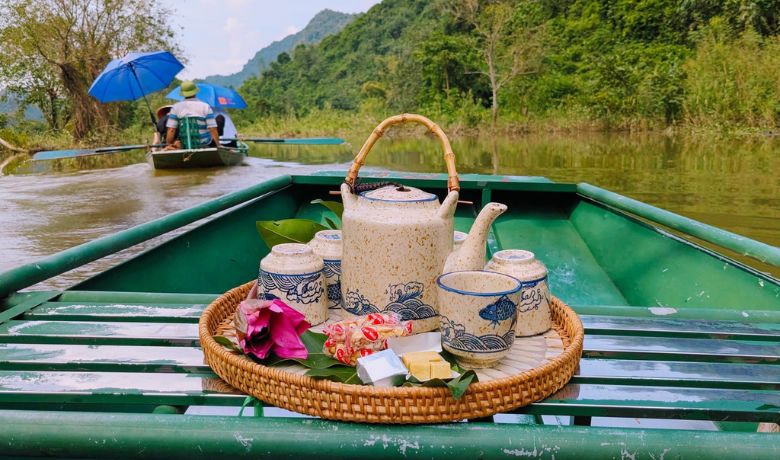
For travel agents, this creates several tangible selling points: more comfortable cycling equipment, quieter countryside exploration, a less crowded boat experience, and meaningful cultural interaction.
The product is not simply another Ninh Binh excursion. It offers a more thoughtful way to discover a familiar destination.
Key takeaway: A different route, better equipment, and a carefully selected local activity can create more value than adding another sightseeing stop.
2. Replace Passive Sightseeing With Hands-On Cultural Experiences
Traditional craft villages offer considerable potential for Vietnam tour differentiation, but only when the experience goes beyond observation and souvenir shopping. A brief visit to a workshop may introduce travelers to a local tradition. Participating in the creative process, however, allows them to understand the skills involved and engage more directly with the people preserving those traditions.
Hanoi’s Craft Villages: Different Experiences for Different Clients
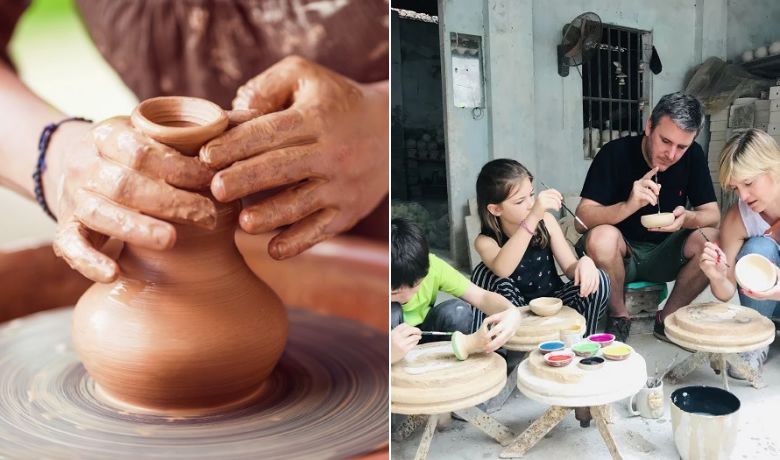
Asia Pioneer DMC’s portfolio of craft village experiences near Hanoi demonstrates how traditional craftsmanship can support several distinct travel products.
At at Trang Pottery Village, travelers can participate in private workshops, shaping and decorating ceramic pieces while learning about the village’s longstanding pottery tradition. This makes Bat Trang particularly suitable for multigenerational families, educational groups, and corporate incentive programs where participation matters.
Van Phuc Silk Village offers a different experience. Private visits can introduce guests to traditional weaving techniques and locally produced textiles. Its more relaxed format makes it suitable for executive delegations and premium cultural itineraries.
At Quang Phu Cau Incense Village, the familiar photographs of colorful incense bundles are only part of the story. A private artisan demonstration can help travelers understand how incense is made and its role in Vietnamese spiritual and family traditions.
For creative travelers, Ha Thai Lacquer Village provides opportunities to learn about traditional lacquer techniques and, depending on the program, decorate a personal keepsake.
Asia Pioneer DMC also recommends combining Chuong Conical Hat Village with Quang Phu Cau for a fuller exploration of Northern Vietnam’s craft heritage.
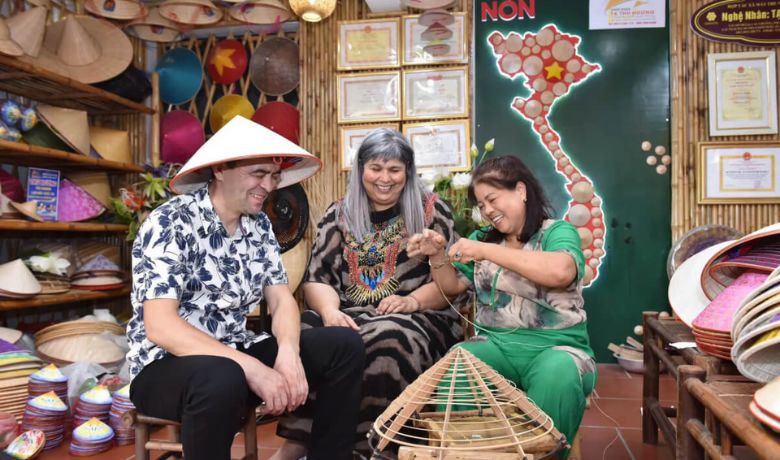
These experiences should not all be included in the same itinerary simply because they are available. A family may enjoy a hands-on pottery workshop, while an executive group may prefer a private silk demonstration followed by a refined dining experience. A photography-focused journey might benefit more from an incense-making demonstration. The value comes from selecting the right experience for the right audience.
Key takeaway: Cultural activities become stronger selling points when they are participatory, relevant to the traveler, and thoughtfully integrated into the itinerary.
3. Create Genuine Connections With Local Life
Travelers are frequently promised authentic experiences, but the term loses meaning when an itinerary consists primarily of conventional sightseeing. A more convincing approach is to show exactly how travelers will engage with local people, traditions, and everyday activities.
Hue: Discovering Life Around Tam Giang Lagoon
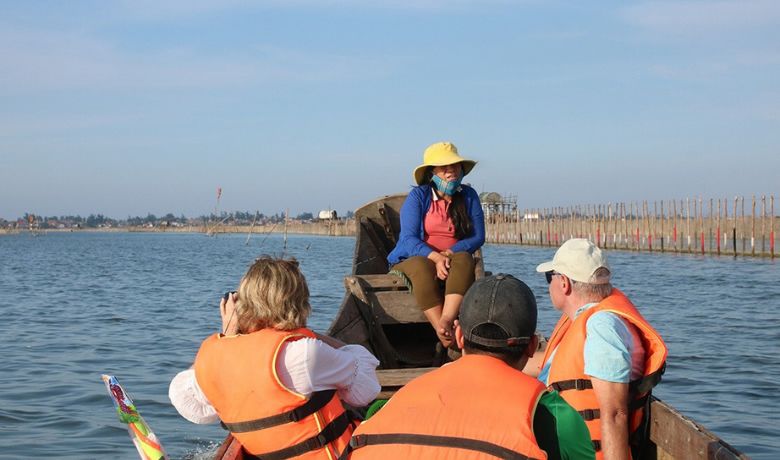
A similar approach can be applied in Central Vietnam. While most first-time visitors associate Hue with its Imperial Citadel and royal tombs, the surrounding lagoon communities reveal another side of the destination.
The Tam Giang Survival experience introduces travelers to rural villages and fishing communities through cycling, boating, and hands-on activities. Guests can learn about local fishing practices, try traditional nets and traps, enjoy locally prepared food, and discover how families make their living around the lagoon.
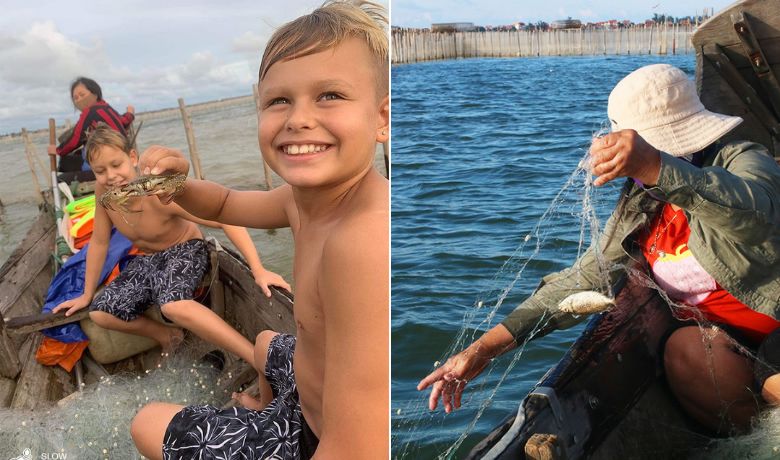
The experience is designed around a gentle pace rather than a tightly packed sightseeing schedule. It also has an operational advantage: when weather conditions make lagoon activities unsuitable, alternative cultural visits to Thanh Tien Paper Flower Village or Sinh Folk Painting Village can help preserve the local-experience theme.
For repeat visitors or culturally curious travelers, this offers an opportunity to discover a side of Hue that conventional heritage itineraries often overlook.
Key takeaway: Meaningful cultural immersion should be demonstrated through specific interactions, not promised through generic descriptions.
4. Make Privacy and Setting Part of the Experience
For premium travelers, differentiation is not always about doing something entirely new. Sometimes, the setting, atmosphere, and level of privacy can transform an otherwise familiar activity.
Hoi An: Private Dining Beyond the Ancient Town
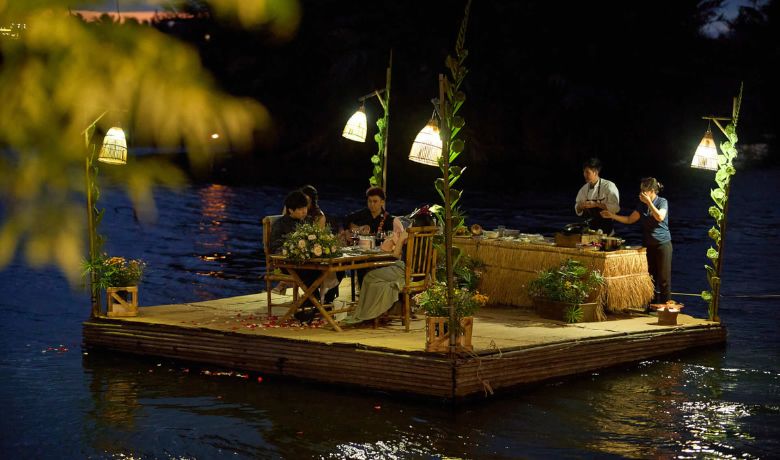
Hoi An is celebrated for its lantern-lit streets, traditional architecture, and vibrant dining scene. Yet a memorable evening does not necessarily have to take place in a busy restaurant in the Ancient Town.
One distinctive experience featured by Asia Pioneer DMC is bamboo raft dining. Guests can enjoy a privately arranged meal on a floating bamboo raft surrounded by water coconut palms.
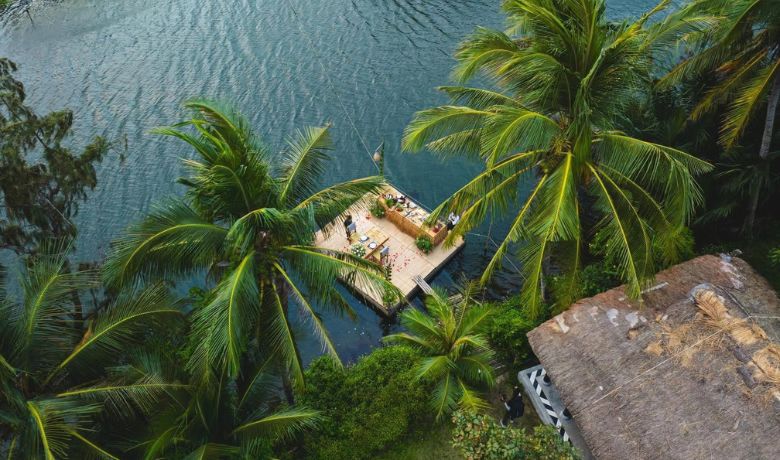
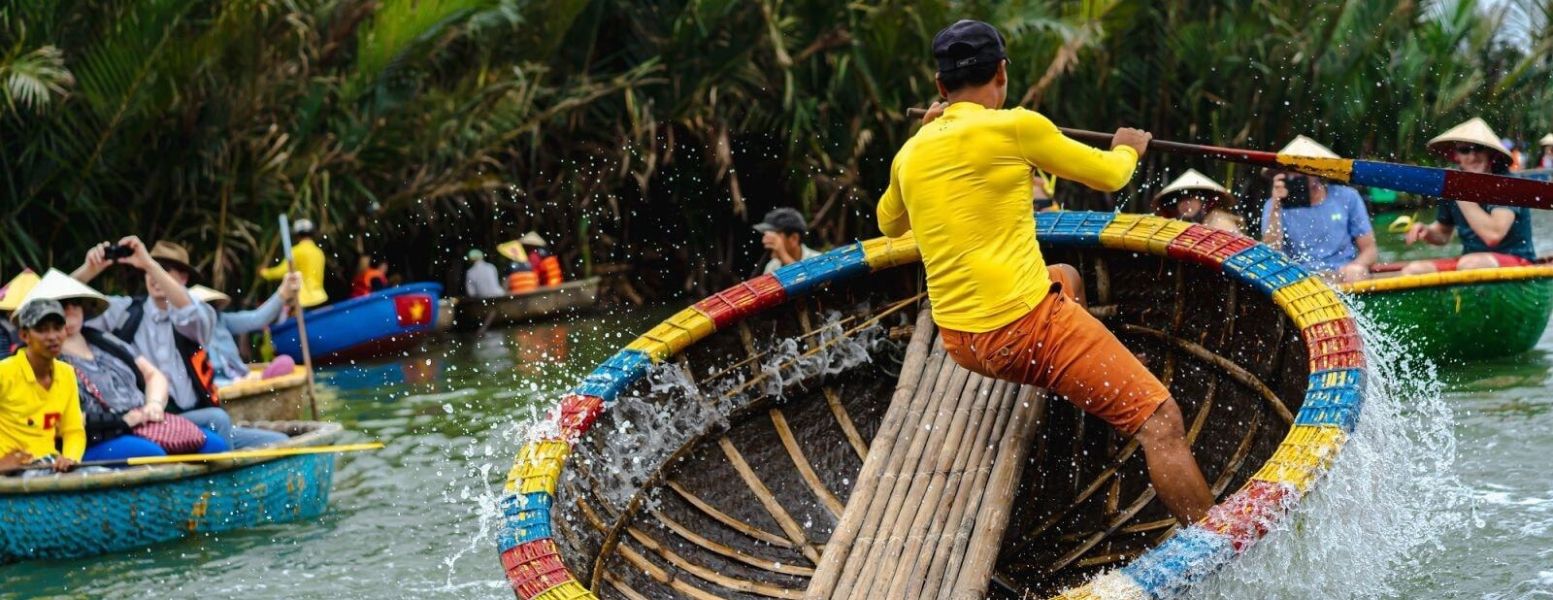
The journey begins with a basket-boat transfer along a quieter channel away from the busier Cam Thanh routes. The experience is timed around sunset, allowing guests to enjoy the surrounding landscape before dinner. Its farm-to-table concept is supported by an organic vegetable garden maintained by the restaurant behind the experience. The team also works with local residents to collect waste along the waterway, adding an environmental dimension to the operation.
For honeymooners, couples celebrating anniversaries, and luxury FIT travelers, the appeal is not simply the meal. It is the combination of a private setting, natural surroundings, thoughtful timing, and a distinctive sense of place.
Hue: Bringing Imperial Culture Into the Dining Experience
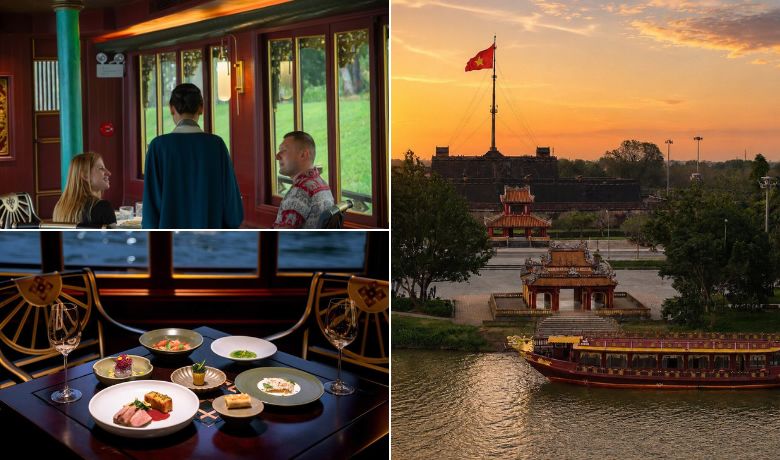
In Hue, Hueritage Cruise offers another example of how dining can become part of a destination’s cultural story. Located at Nghinh Luong Dinh Wharf on the Perfume River, opposite the Imperial Citadel, the experience combines Hue-inspired cuisine, traditional music, and references to imperial court culture. Each table has a dedicated English-speaking host who can explain the dishes and their cultural context.
Rather than adding another restaurant reservation to a city tour, travel agents can incorporate Hueritage as a lunch, afternoon tea, or evening experience that complements visits to Hue’s historic landmarks. The result is a more cohesive journey in which dining reinforces the cultural experiences of the day.
Key takeaway: A familiar activity can become a distinctive product when its location, privacy, service, and cultural context are carefully designed.
5. Offer Active Experiences That Balance Comfort and Discovery
Outdoor activities can help diversify Vietnam itineraries, but the right experience depends on the client’s physical abilities, interests, and preferred pace.
For some travelers, adventure means challenging terrain and demanding activities. For others, it means exploring nature independently without sacrificing comfort.
This distinction matters when developing products for luxury FIT travelers, active seniors, and multigenerational families.
Hoi An: Kayaking Through the Water Coconut Forest
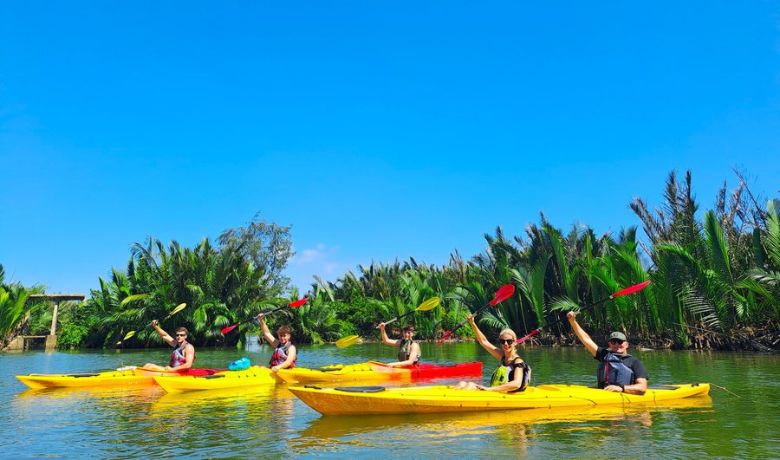
Many Hoi An itineraries feature basket-boat rides through the Cam Thanh water coconut forest.
Asia Pioneer DMC also highlights a guided kayaking experience that offers a different way to explore the area’s waterways. Instead of following the busier basket-boat routes, travelers paddle through quieter sections of the coconut forest. The experience includes guidance on paddling and steering before departure, making it approachable for suitable beginners.
Morning departures are recommended because higher water levels make it easier to navigate deeper among the palms. In the afternoon, lower water levels can require a different route. The experience also passes areas where local families live along the waterways, introducing an element of everyday life alongside the natural scenery. For active travelers and repeat visitors, this offers a more independent and peaceful alternative to conventional sightseeing.
Designing Activities Around the Traveler
The same principle applies to e-bike experiences in Hanoi and Ninh Binh. Electric pedal assistance and appropriately designed bicycles can make outdoor exploration more comfortable for suitable riders with varying fitness levels.
However, comfort should not be confused with universal accessibility. Travel agents should still consider the guest’s cycling confidence, physical condition, route characteristics, and weather conditions before recommending an activity. For multigenerational families, this may also mean providing alternative arrangements for family members who prefer not to cycle.
Key takeaway: Better activity design is not about making every experience easier. It is about matching the experience to the traveler while preserving its sense of discovery.
6. Connect Individual Experiences Into a Distinctive Travel Concept
A private dinner, craft workshop, or alternative cycling route can strengthen an itinerary. But including several interesting activities does not automatically create a differentiated product. The strongest tours connect these experiences through a clear concept.
Consider a Central Vietnam journey designed for culturally curious couples who appreciate privacy, creativity, and local encounters.
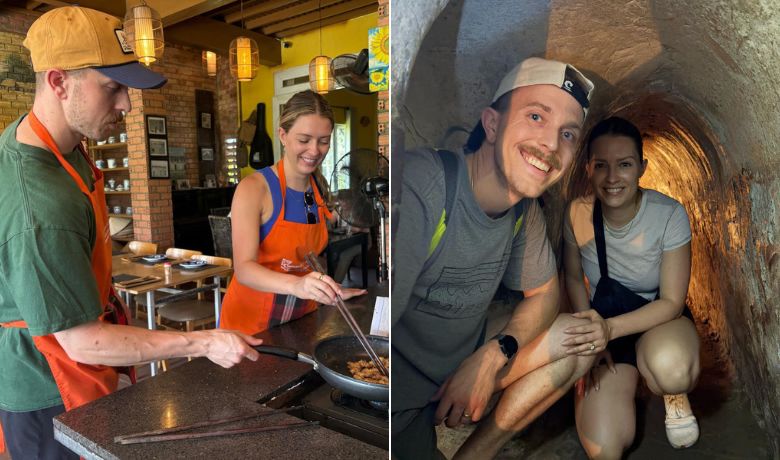
The itinerary could begin in Hue with visits to the Imperial Citadel, followed by a Hueritage dining experience that connects the city’s cuisine with its royal heritage. A day exploring Tam Giang Lagoon could then introduce a contrasting perspective through fishing communities and rural life. In Hoi An, travelers might join a hands-on workshop at Lean Lacquer, where the owner and artist personally guides guests through the creative process.
Unlike conventional souvenir shopping, participants create their own designs with guidance from the artist. Another option is Driftwood Village, where travelers learn about the reuse of driftwood, its connection to Co Tu culture, and traditional woodworking skills before making an object to take home. The experience combines craftsmanship with environmental and community values, making it particularly relevant for families and travelers interested in responsible tourism.
The journey could conclude with private bamboo raft dining outside Hoi An.
These experiences serve different purposes, but together they support a consistent travel identity: cultural discovery through personal encounters, creative participation, and thoughtfully chosen settings. That is more compelling than presenting the same itinerary as a list of sightseeing stops and optional excursions.
From Itinerary Features to Selling Points
For travel agents, the next step is translating these details into language clients can understand. Consider two descriptions of a Ninh Binh excursion.
- Standard positioning: “Explore Ninh Binh’s beautiful countryside with a cycling tour and scenic boat ride.”
- Differentiated positioning: “Discover Ninh Binh beyond its busiest sightseeing routes with a comfortable e-bike journey through rural villages, followed by a peaceful rowing-boat excursion where you can learn to prepare a traditional Vietnamese herbal drink.”
The second description explains what makes the experience different and gives travelers a clearer reason to choose it. The same approach works for craft workshops, cultural encounters, private dining, and nature-based activities. A strong product description should make the distinctive experience tangible rather than relying on adjectives such as “exclusive,” “authentic,” or “unforgettable.”
Key takeaway: Product differentiation becomes commercially valuable when the itinerary delivers a clear promise that the sales team can explain and the traveler can recognize.
How Asia Pioneer DMC Helps Travel Agents Differentiate The Vietnam Tours
Creating distinctive Vietnam tours requires more than unique activities. It takes local expertise to identify the right experiences, adapt them to different traveler profiles, and bring everything together into a well-designed itinerary.
At Asia Pioneer DMC, we help travel agents go beyond conventional sightseeing with alternative routes, hands-on cultural experiences, meaningful local encounters, and personalized travel arrangements.
Our goal is to help partners develop Vietnam tours that are not only different, but also relevant to their clients, practical to operate, and easier to position in a competitive market.
Looking to make your Vietnam tours stand out? Share your ideas and requirements with our local team, and let us help you turn them into distinctive, tailor-made travel experiences.